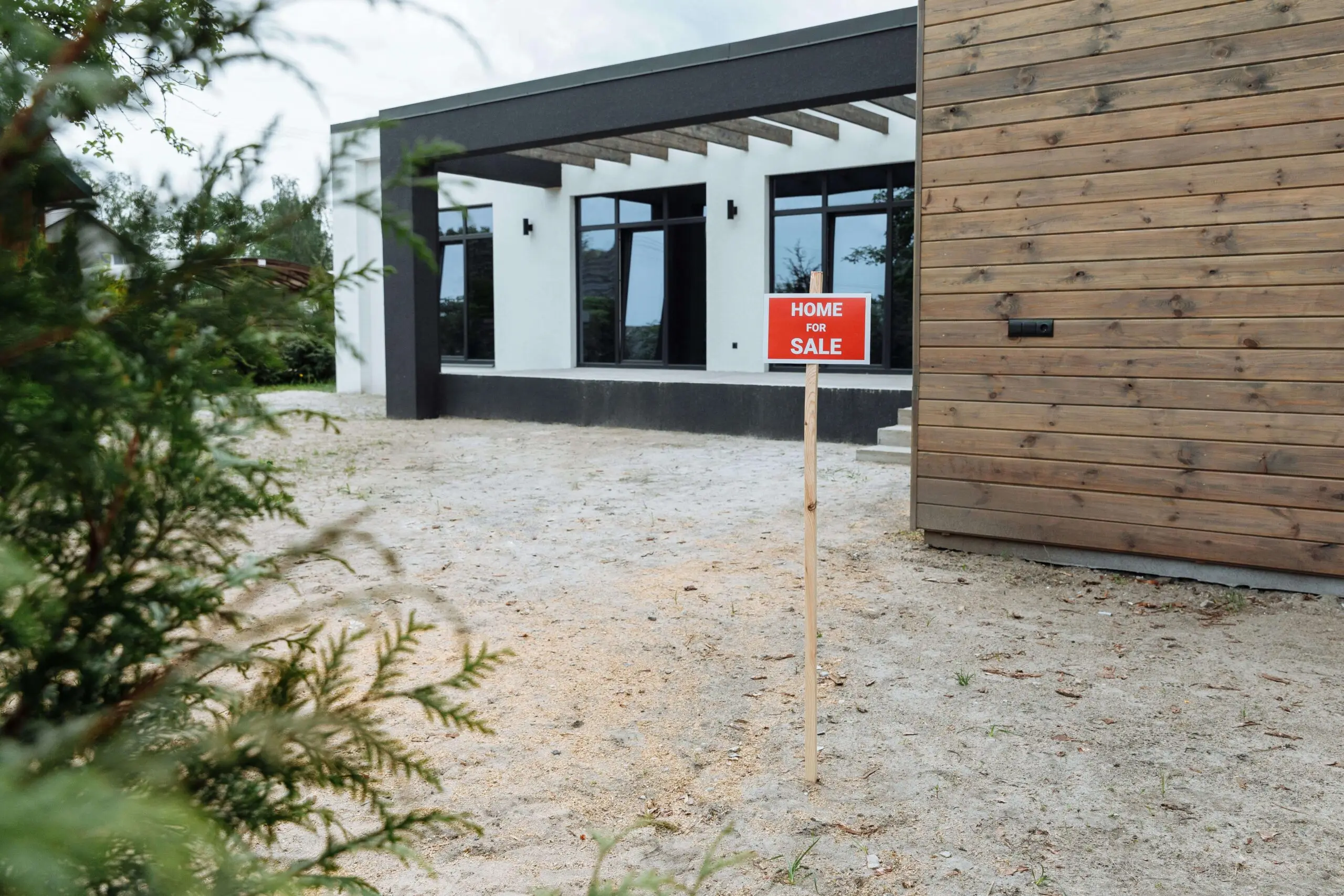
Buying Property in Turkey: Foreign Buyer Guide
A comprehensive operational guide for foreign investors and corporations navigating real estate acquisitions, statutory limits, foreign exchange compliance, and title registration in Türkiye.

Foreign individuals and corporate entities can acquire real estate in Türkiye subject to specific statutory limits, security verifications, and financial compliance protocols. The conveyance process is administered exclusively by the General Directorate of Land Registry and Cadastre, requiring mandatory valuation reports, foreign exchange conversion documents, and formal title deed registrations. Navigating these requirements with methodical due diligence protects cross-border capital and ensures full legal compliance under Turkish property law.
Key takeaways
- Foreign individuals may purchase residential and commercial real estate subject to statutory limits, including a maximum total landholding threshold per individual and restrictions in designated military and security zones.
- All property purchases by foreign buyers require an official Foreign Exchange Purchase Certificate issued through an authorized bank before title registration can occur.
- Mandatory real estate appraisal reports from licensed independent evaluators determine the official transaction baseline, preventing under-declaration of property values.
- Foreign-capital corporate entities established in Türkiye follow distinct regulatory pathways compared to non-resident individual buyers, particularly regarding commercial zoning and industrial development.
Legal Framework and Foreign Ownership Restrictions in Türkiye
Real estate acquisitions by foreign nationals are governed primarily by the Land Registry Law. Türkiye abolished the traditional reciprocity requirement in 2012, opening the real estate market to citizens of more than 180 countries. However, liberal market access is balanced by strict statutory limitations designed to protect national security, agricultural resources, and urban planning integrity.
Statutory Area Limits and Prohibited Zones
Foreign individuals face clear legal boundaries regarding the aggregate volume of land they may own. Under current statutory rules, a foreign individual can acquire up to thirty hectares of property nationwide. While the central government retains the authority to grant special exceptions for larger strategic developments, thirty hectares represents the standard ceiling for foreign nationals.
Additionally, total foreign ownership within any single district or municipality cannot exceed ten percent of the privately owned land in that administrative zone. When evaluating prospective acquisitions, the Land Registry Directorate checks local registry totals to ensure the district threshold has not been breached. Properties situated within military forbidden zones, strategic security zones, or sensitive border areas cannot be transferred to foreign buyers. Before finalizing any transaction, cadastral offices cross-reference coordinate data with relevant military authorities to ensure clear clearance.
Related guide:Best Cities to Invest in Turkey: 2026 Property ROI Report
Unbuilt Land and Development Commitments
Acquiring undeveloped land, agricultural plots, or parcels without an existing building carries a specific statutory obligation. Foreign buyers who purchase vacant land must submit a concrete development or architectural project to the relevant ministry—such as the Ministry of Agriculture and Forestry or the Ministry of Environment, Urbanization and Climate Change—within two years of registration. If a project is not submitted and approved within this statutory timeline, the land registry authorities hold the legal mandate to liquidate the property at market value and remit the net proceeds to the owner.
Individual Purchases vs. Corporate Entity Acquisitions
The legal framework differentiates sharply between foreign individuals and foreign legal entities:
- Foreign Individuals: Can purchase residential units, commercial offices, and approved plots under standard foreign ownership rules, subject to personal quota limits and military zone clearances.
- Foreign Entities Established Abroad: Foreign-registered companies generally cannot purchase real estate in Türkiye under standard commercial provisions, unless specifically authorized under sector-specific statutes such as the Petroleum Market Law, Tourism Promotion Law, or Industrial Zones Law.
- Foreign-Capital Turkish Companies: Companies incorporated in Türkiye with foreign shareholding (whether minority or majority owned) operate as domestic legal entities. However, if foreign investors hold fifty percent or more of the shares or retain the power to appoint management, acquisitions of real estate must undergo a formal review by the local governorate's Provincial Directorate of Strategic Coordination and Planning to verify that the property falls outside security and military zones.
Financial Regulations, Currency Exchange, and Payment Flows
Cross-border real estate transactions in Türkiye operate under stringent capital control and transparency regulations administered by the Central Bank of the Republic of Türkiye. Understanding the mandatory currency conversion workflow is critical to avoiding delays at the land registry.
The Foreign Exchange Purchase Certificate
Foreign property buyers cannot settle land registry transactions in foreign currency directly with the seller. The law mandates that the buyer must convert the foreign currency equivalent of the purchase price into Turkish Lira through an authorized Turkish commercial bank prior to the transfer of the title deed.
The commercial bank sells this foreign currency to the Central Bank of the Republic of Türkiye at the prevailing official central bank rate. In return, the bank issues an official Foreign Exchange Purchase Certificate, known locally as the Döviz Alım Belgesi (DAB). This certificate must clearly state the foreign buyer's identity details, passport number, the foreign currency amount converted, its Turkish Lira equivalent, and the specific property parcel identification. Without a verified DAB matching the declared transaction price, the Land Registry Office will not initiate the formal conveyance.
Anti-Money Laundering Protocols and Banking Trails
All funds utilized for the property purchase must flow through transparent, auditable banking channels. Cash payments directly between buyer and seller are strictly prohibited for the settlement of foreign-acquired real estate. The buyer must transfer funds from an account held in their own name—either abroad or domestically—to the seller's Turkish bank account, citing the relevant Land Registry application number in the payment description.
Mandatory Valuation Reports and Real Estate Appraisals
To eliminate artificial under-declaration of property values and ensure tax equity, Türkiye mandates an independent property valuation report for all real estate transactions involving a foreign buyer or seller.
Role of Licensed Appraisal Companies
Appraisal reports must be issued by independent valuation institutions authorized by the Capital Markets Board of Türkiye (SPK). Buyers and sellers cannot independently select or commission an appraiser directly; instead, the appraisal assignment is routed through an automated centralized pool managed by the Land Registry's online portal to ensure neutrality and objectivity.
The valuation report analyzes comparable market sales, physical building conditions, municipal zoning files, architectural compliance, and any legal irregularities. Valuation reports remain valid for a specified statutory period—typically three months from issuance. If the transaction is not completed within that window, a fresh report must be commissioned.
Reconciling Declared and Appraised Values
The Land Registry uses the higher of two values as the basis for calculating transfer duties and verifying currency exchange compliance: the price declared by the transacting parties, or the appraised value established in the official valuation report. If the declared purchase price falls below the appraiser's valuation, transfer taxes must be calculated based on the appraisal figure. Furthermore, the Foreign Exchange Purchase Certificate must cover at least the value declared to the registry.
Complete Breakdown of Acquisition Costs and Taxes
Budgeting for a real estate purchase in Türkiye requires accounting for statutory transfer duties, value-added taxes, administrative costs, and recurring annual liabilities. While acquisition costs remain competitive compared to many Western European jurisdictions, they represent a measurable addition to the base purchase price.
Title Deed Transfer Duty
The title deed transfer duty, known as Tapu Harcı, is the primary transaction tax assessed on property conveyances. It is calculated as a fixed percentage of the transaction value (which cannot be lower than the appraised value or the municipal tax base value). By statute, this duty is split equally between the buyer and the seller, although private commercial negotiations often alter this allocation by contractual agreement. Foreign buyers must clarify who bears this liability during initial contract drafting.
Value Added Tax (KDV) and Statutory Exemptions
Value Added Tax applies to new property sales directly from development companies. The applicable VAT rate varies significantly depending on the nature of the property, its location, construction classification, and square footage. Resale properties purchased from private individuals generally do not trigger VAT.
Foreign corporate investors and non-resident individual buyers can qualify for a statutory VAT exemption on their first purchase of newly constructed residential or commercial units, provided specific conditions are satisfied:
- The buyer must not be a resident of Türkiye and must not maintain a formal domicile or workplace in the country.
- The property must be paid for entirely in foreign currency brought into Türkiye via official banking channels.
- The acquired property cannot be sold, transferred, or leased within a statutory lock-in period (typically three years). If the property is disposed of before this period expires, the exempted VAT must be repaid with statutory interest.
Administrative and Ancillary Expenses
In addition to transfer duties, buyers must budget for several administrative expenditures:
- Revolving Fund Fee (Döner Sermaye Harcı): A standard administrative processing fee levied by the Land Registry Directorate, which includes a statutory multiplier for transactions involving foreign nationals.
- Sworn Translator Fees: Mandatory by law if the foreign buyer does not speak Turkish. An officially licensed court translator must be present at the registry to translate the deed text verbally before signatures are executed.
- Notary Fees: Incurred if the buyer issues a Power of Attorney to a legal representative, or if a preliminary sales contract is formally registered at a notary office.
- Compulsory Earthquake Insurance (DASK): Property owners must maintain baseline structural earthquake insurance coverage before the title deed can be issued.
Recurring Ownership Taxes
Following acquisition, real estate in Türkiye is subject to an annual municipal property tax (Emlak Vergisi). This tax is calculated on the assessed municipal value of the asset and varies based on whether the property is residential, commercial, or land, with higher rates applied within metropolitan municipality jurisdictions. Commercial rental yields are also subject to corporate or personal income withholding schedules.
Comprehensive Due Diligence and Title Verification
Executing comprehensive due diligence prior to remitting non-refundable deposits is the single most critical risk-mitigation step for foreign investors. In Türkiye, the property title document (Tapu Senedi) confirms ownership, but the underlying cadastral records must be examined for legal encumbrances.
Checking Encumbrances, Mortgages, and Injunctions
The physical title deed document does not display temporary legal encumbrances that may have attached to the parcel after printing. A formal inspection of the digital land registry records (through an authorized attorney or cadastral official) is essential to determine whether the property is burdened by:
- Existing commercial mortgages (ipotek) securing loans of previous owners.
- Judicial injunctions (ihtiyati tedbir) arising from unresolved litigation.
- Tax enforcement liens or bankruptcy executions (haciz).
- Usufruct rights, rights of access, or long-term lease registrations that limit the owner's operational control.
Construction Permits and the Occupancy Certificate (İskan)
In Turkish real estate, a critical distinction exists between construction permits and final occupancy certificates:
- Construction License (Yapı Ruhsatı): Authorizes the developer to commence building work in accordance with approved architectural and engineering plans.
- Floor Easement (Kat İrtifakı): A transitional title issued during construction that defines each independent unit's share of the underlying land.
- Building Occupancy Permit (İskan / Yapı Kullanma İzin Belgesi): Issued by the local municipality after inspecting the finished building to certify that it conforms strictly to zoning laws, fire safety codes, and approved architectural blueprints.
- Full Ownership Title (Kat Mülkiyeti): Once the İskan is granted, the title status transitions from Kat İrtifakı to Kat Mülkiyeti, certifying a fully legal, habitable, independent property.
Purchasing a property that lacks an İskan exposes the investor to severe regulatory risks, including substantial municipal fines, higher commercial utility rates, and potential demolition orders if unauthorized structural modifications deviate from original blueprints.
Step-by-Step Title Transfer Process at the Land Registry
Property conveyance in Türkiye does not occur inside a private law office or escrow company; legal ownership transfers strictly upon registration in the official records at the local Land Registry Directorate (Tapu Müdürlüğü).
Phase 1: Preliminary Agreement and Power of Attorney
The transaction commences with the negotiation of the commercial terms. If parties sign a preliminary promise-to-sell agreement (Gayrimenkul Satış Vaadi Sözleşmesi), it must be executed before a public notary to be legally enforceable against third parties. Foreign buyers frequently issue a notarized Power of Attorney (POA) to a licensed Turkish lawyer to manage administrative filings, tax registration, and registry appearances.
Phase 2: Securing Tax Identifiers and Banking Setup
The buyer must obtain a Turkish Potential Tax Number (Vergi Kimlik Numarası), which can be acquired online via the Turkish Revenue Administration portal or in person at any local tax office. With this number and a passport translated and notarized in Türkiye, the buyer opens an account with an authorized Turkish bank to execute currency conversions and obtain the Foreign Exchange Purchase Certificate.
Phase 3: Digital Application via the Web-Tapu System
The official application is submitted through the Web-Tapu portal, the centralized digital management platform of the Land Registry. The seller or legal representative uploads all required documentation, including:
- Copy of the existing title deed.
- Buyer's notarized passport translation.
- Official valuation report issued by an authorized appraiser.
- Foreign Exchange Purchase Certificate (DAB) issued by the Central Bank via the intermediary bank.
- Municipal statement showing property tax clearance (Rayiç Bedel Belgesi).
- Valid compulsory earthquake insurance policy (DASK).
Phase 4: Appointment Day and Formal Execution
Once the Land Registry reviews the application and confirms clearance from military authorities, an SMS notification is issued to both parties indicating the date and time of the appointment, as well as the exact registry duty amounts to be paid. Transfer duties must be paid through state banks or authorized electronic systems prior to entering the appointment room.
On the scheduled appointment day, the buyer (or their authorized legal attorney), the seller, and a certified court translator gather at the Land Registry. The registrar confirms that all fees have been paid, reads the conditions of the transfer, and ensures no coercion is taking place. Once the parties execute the official conveyance ledger, the title deed is issued immediately, completing the legal change of ownership.
Practical Real Estate Acquisition Checklist
- Engage Independent Legal Counsel: Appoint an independent Turkish lawyer specializing in real estate law who has no commercial affiliation with the seller, developer, or brokerage firm.
- Perform Title Registry Due Diligence: Review official registry records to verify that the title is free from mortgages, liens, injunctions, or restrictive covenants.
- Verify Planning and Habitability Status: Confirm that the property has an unencumbered municipal construction license and a valid Building Occupancy Permit (İskan), ensuring true Kat Mülkiyeti status.
- Obtain Tax Identification: Secure a Turkish Potential Tax Number from the local tax office or the online revenue portal.
- Commission Centralized Property Appraisal: Request the independent valuation report through the automated Land Registry portal to establish the legal minimum valuation baseline.
- Open a Domestic Bank Account: Establish an account with a Turkish commercial bank for cross-border fund transfers and statutory compliance.
- Convert Currency and Obtain the DAB: Transfer foreign currency into the Turkish bank, execute the Central Bank conversion, and secure the Foreign Exchange Purchase Certificate.
- Clear Municipal Tax Liabilities: Ensure the seller settles all past municipal property taxes and obtains the municipal market value certificate (Rayiç Bedel).
- Bind Compulsory Earthquake Insurance: Secure an active DASK insurance policy matching the property’s cadastral parcel details.
- Complete Web-Tapu Submission: Upload all documentation through the official digital registry system and await appointment scheduling.
- Settle Registry Duties: Pay the official transfer duties and revolving fund administrative fees via authorized state banking channels.
- Execute Transfer with Certified Translator: Attend the Land Registry Directorate appointment with a licensed sworn translator, sign the official transfer register, and collect the newly issued title deed.
Common Pitfalls and How to Avoid Them
Foreign investors occasionally encounter legal or financial challenges due to procedural misunderstandings or reliance on informal commitments. Being aware of standard structural risks ensures a secure transaction.
Paying Unsecured Deposits to Intermediaries
A frequent error involves transferring substantial earnest money deposits directly to real estate brokers or developers before legal due diligence has concluded. Brokerages in Türkiye do not routinely operate statutory escrow client accounts in the manner seen in jurisdictions like the United States or the United Kingdom. If a transaction falls through due to military zoning restrictions or municipal title defects, recovering unsecured deposits can require lengthy litigation. Deposits should be minimal and held under conditional escrow arrangements governed by formal contract terms.
Relying on Notary-Only Contracts for Ownership Transfer
Some foreign buyers mistakenly believe that executing a contract before a public notary legally transfers property ownership. Under Turkish law, a notary contract is only a commitment to sell (Satış Vaadi); it does not confer legal title. Absolute title conveys exclusively when registered directly at the Land Registry Directorate. Never release final purchase funds solely on the strength of a notarized document without the simultaneous or immediate execution of the official title transfer at the registry.
Under-Declaring Property Values on the Title Deed
Historically, parties in Türkiye occasionally under-declared property values at the registry to reduce title deed transfer duties. Engaging in this practice introduces severe legal and tax hazards for foreign investors. The automated mandatory valuation system now flags significant discrepancies directly to tax authorities. Furthermore, when the foreign owner later disposes of the asset, an artificially low purchase baseline creates a substantial, artificial capital gains tax liability on the subsequent sale.
Overlooking the Two-Year Agricultural Development Rule
Corporate and private investors purchasing rural land or agricultural parcels frequently overlook the statutory development requirement. Failing to submit an approved project to the relevant ministry within two years triggers statutory provisions that can lead to the forced sale of the asset. Investors intending to buy land must formulate viable agricultural or industrial project blueprints prior to final acquisition.
Frequently asked questions
Can any foreign national buy real estate in Türkiye?
Citizens of most recognized nations can buy property in Türkiye, but individual buyers remain subject to statutory rules prohibiting ownership within military zones and capping personal aggregate holdings at thirty hectares nationwide.
Is an independent property valuation report mandatory for foreign buyers?
Yes, all property transactions involving a foreign buyer or seller require an independent valuation report prepared by a Capital Markets Board-licensed appraiser before the Land Registry will process the transfer.
Can I pay the seller directly in foreign currency?
No, Turkish real estate regulations mandate that foreign currency must be converted to Turkish Lira through an authorized commercial bank, which issues an official Foreign Exchange Purchase Certificate that must be submitted to the land registry.
What is the difference between Kat İrtifakı and Kat Mülkiyeti?
Kat İrtifakı represents a floor easement establishing rights over a specific unit during construction, whereas Kat Mülkiyeti certifies full legal ownership of an independent unit in a building that has secured its municipal occupancy permit (İskan).
Do foreign companies incorporated abroad have the right to purchase property in Türkiye?
Foreign-registered companies can only purchase property in Türkiye under specialized legal frameworks such as energy or tourism statutes; alternatively, foreign investors typically establish a Turkish legal entity to acquire commercial real estate under standard corporate rules.
Can foreign buyers qualify for a Value Added Tax exemption?
Yes, non-resident foreign individuals and companies buying newly constructed property directly from development companies can qualify for a VAT exemption if they bring funds in foreign currency and commit to holding the property for the statutory lock-in period.
How is the title deed transfer tax calculated?
The title deed transfer tax is calculated on the transaction value—which cannot be less than the official appraisal or municipal minimum value—and is officially divided between buyer and seller, though contractual terms can allocate this differently.
More on this topic: Turkey Real Estate Investment: Cities, Prices and Rules