





























Export Growth Drives Economic Optimism
Türkiye’s economy is showing remarkable resilience in 2025, fueled by strong export performance and increased foreign investment. According to the Turkish Statistical Institute (TÜİK), exports to Gulf and Asian markets increased by 30% over the past three months, particularly in sectors like textiles, food products, furniture, and industrial goods.
“Foreign buyers are increasingly sourcing from Turkey due to competitive pricing and high quality,” said Mustafa Gültepe, Chairman of the Turkish Exporters Assembly (TİM). “This surge in exports is directly supporting economic growth and employment.”
The rising demand is also positively affecting Turkey’s trade balance, narrowing the deficit and improving foreign exchange reserves. Analysts note that this momentum is a critical driver for investor confidence, especially among Asian and Gulf companies looking to establish long-term supply chains.
Inflation and Policy Measures
While export growth is strong, Turkey continues to face inflationary pressures. In response, the government has implemented targeted monetary and fiscal policies to stabilize prices and support sustainable economic expansion.
“Policy adjustments in recent months aim to maintain purchasing power while fostering foreign investment,” said Dr. Ceyda Demirtaş, an economist at Bilkent University. “These measures are creating a more predictable environment for both domestic and international investors.”
Government incentives, including tax reductions and streamlined export procedures, are designed to attract foreign companies and encourage reinvestment of profits into Turkish industries.
Foreign Investment Trends
Investors from Qatar, UAE, China, and South Korea have increased their participation in Turkey’s economy, focusing on manufacturing, green technology, and digital sectors. Joint ventures and strategic partnerships have been formalized in recent months, creating opportunities for technology transfer and skill development.
Ali Burç, founder of Burç Consulting, noted: “International investors are seeing Turkey not just as a production base but as a strategic partner for regional expansion. This trend is likely to accelerate through 2026.”
FDI inflows are especially strong in industrial zones and technology parks, where infrastructure and logistics are optimized to meet global standards.
Sectoral Highlights
Textiles & Apparel: Strong demand from Asia and the Gulf for Turkish fabrics and fashion items.
Food & Agriculture: Organic dried fruits, nuts, and packaged foods are becoming preferred imports in Singapore, UAE, and Qatar.
Furniture & Home: Turkish craftsmanship is gaining recognition in Southeast Asian markets.
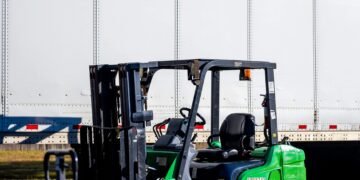
Industrial Goods: Machinery, packaging, and raw materials attract strategic investment.
“The diversity of Turkish exports, combined with high quality standards, is creating a new wave of economic confidence,” said Abdullah Demir, export manager at Demir Home.
Outlook for Investors
Economists predict that Turkey’s economy will continue to grow steadily in the coming months, driven by export expansion, FDI inflows, and policy support. Analysts emphasize that foreign buyers and investors who establish early partnerships with Turkish manufacturers and tech startups are likely to gain competitive advantages in regional and global markets.
“Turkey has become a focal point for trade and investment between Europe, Asia, and the Middle East,” concluded Mustafa Gültepe. “Strategic engagement now will pay long-term dividends.”








Comments 3