Turkey Automotive Manufacturing Grows with New Plants
Multinational automotive commitments accelerate in Türkiye as a $300M commercial vehicle line begins output and Sentury reveals plans for local tire manufacturing.
Türkiye’s automotive industrial base has received two substantial foreign-backed industrial endorsements, reaffirming the country's position as a nearshoring anchor for commercial mobility and component supply chains. Manufacturing operations have officially commenced on the $300 million K9 light commercial vehicle program, according to a report by Daily Sabah, while Chinese tire producer Qingdao Sentury Tire has confirmed plans to construct an advanced manufacturing facility in Türkiye to navigate international trade barriers, as reported by Rubber News. These dual capital commitments underscore how global original equipment manufacturers and component suppliers are utilizing Türkiye’s strategic geography, customs union integration, and existing industrial clusters to secure access to European and surrounding regional markets.
Key takeaways
- Production is underway on the $300 million K9 light commercial vehicle platform in Türkiye, bolstering domestic assembly capacity.
- Chinese tire maker Sentury is establishing a Turkish manufacturing base specifically designed to mitigate Western trade barriers and tariffs.
- The combined investments demonstrate how multinational brands continue leveraging Türkiye’s industrial ecosystem and EU Customs Union alignment for nearshoring.
Scaling turkey automotive manufacturing through commercial platforms
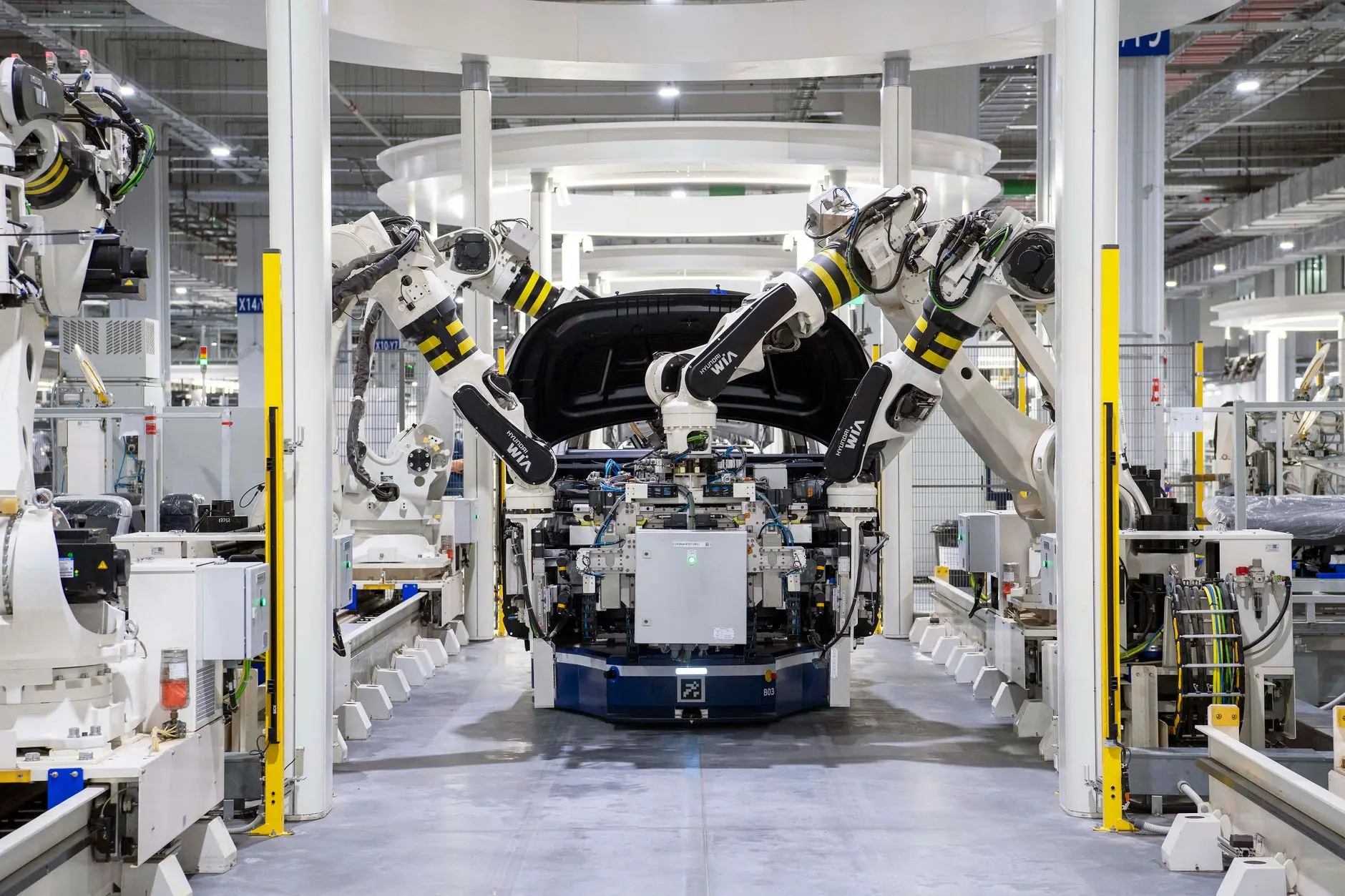
The commencement of production on the $300 million K9 light commercial vehicle platform represents a critical milestone for Turkish vehicle assembly. Reported by Daily Sabah, the project introduces a high-volume multi-brand vehicle architecture to local lines, consolidating Türkiye's role as a primary European production center for light commercial transport. Turkish automotive clusters, primarily concentrated in the Marmara region around Bursa, Kocaeli, and Sakarya, have spent decades building deep tier-one and tier-two supplier networks. This $300 million capital allocation integrates automated assembly cells, robotic welding stations, and modernized paint shop lines tailored to multi-energy vehicle configurations.
For global mobility groups, producing light commercial vehicles in Türkiye offers substantial unit-cost advantages over Western European facilities without sacrificing regulatory compliance or engineering quality. Local industrial facilities maintain rigorous adherence to European commercial vehicle crash, emissions, and homologation standards. The K9 initiative not only stabilizes capacity utilization across local stamping and sub-assembly suppliers but also deepens technical capabilities in powertrain integration, lightweight body structures, and electronic harness production.
Moreover, the launch of such a substantial production line sends a clear signal of long-term operational stability. International industrial partners evaluate factory footprint expansions based on operational efficiency, port proximity, skilled manufacturing labor availability, and energy reliability. By translating a $300 million capital expenditure program into operational factory output, the project reaffirms that Türkiye remains a competitive, scalable platform for complex automotive engineering programs.
Guide:OEM Manufacturers in Turkey: OEM vs ODM Guide
Foreign tire makers pivot to Türkiye to bypass global trade barriers
Alongside vehicle assembly, the critical components sector is undergoing structural adjustments as Asian producers seek resilient international manufacturing footprints. Qingdao Sentury Tire, an international tire manufacturer based in China, has revealed plans to establish a greenfield production plant in Türkiye, as reported by Rubber News. The Chinese manufacturer explicitly pointed to the objective of circumventing rising international trade barriers, anti-dumping tariffs, and logistical bottlenecks that increasingly penalize direct shipments from East Asia to Western consumer markets.
The move by Sentury illustrates a broader trend among tier-one component producers aiming to derisk their international distribution networks. Over recent years, both the United States and the European Union have tightened anti-dumping duties, countervailing tariffs, and supply chain audit rules on rubber and tire imports originating from select Asian manufacturing centers. By establishing a physical footprint within Türkiye, foreign producers can produce goods within the perimeter of the European Union–Türkiye Customs Union, allowing duty-free access to continental buyers under appropriate origin criteria.
Developing a tire production hub in Türkiye also delivers direct logistical efficiencies. Tires are bulky, freight-sensitive commodities where ocean shipping volatility, container rate spikes, and Red Sea transit disruptions can heavily distort landed margins. A manufacturing facility in Türkiye cuts transit times to European distributors from over a month to mere days via roll-on/roll-off (Ro-Ro) vessels and continental highway corridors, while simultaneously providing direct supply capabilities to domestic Turkish automotive assembly plants.
What it means for foreign buyers, importers and industrial investors
For international procurement directors sourcing automotive components or fleet vehicles, these developments strengthen Türkiye's supplier resilience and product availability. Sourcing finished commercial vehicles or specialized rubber products from Turkish plants minimizes freight volatility and currency risks compared to transpacific alternatives. Furthermore, the expansion of global brands within the local manufacturing base forces sub-tier suppliers to adhere to stringent global quality management systems, including IATF 16949 certification, which benefits any foreign enterprise purchasing parts from the region.
For foreign investors evaluating industrial site selection, Sentury’s entry highlights Türkiye's practical appeal as an investment destination for export-oriented manufacturing. While greenfield investors must navigate domestic macroeconomic conditions, including domestic inflation and changing financing rates, the underlying export apparatus remains heavily favored by statutory incentives. Strategic industrial zones, regional investment tax relief, and machinery import exemptions offer tangible fiscal buffers for heavy capital goods investments.
Industrial buyers should also consider the regulatory upside concerning carbon tracking and supply chain transparency. As European sustainability standards, including the Corporate Sustainability Due Diligence Directive (CSDDD) and carbon accounting frameworks, take effect, goods manufactured within Türkiye’s modernized industrial zones offer shorter audit trails and verifiable transport emission reductions relative to products transported across long-haul ocean routes.
Strategic advantages driving turkey automotive manufacturing investments
Integrated supply chains and regional clustering
Türkiye’s automotive ecosystem is not merely an assembly depot; it features a mature base of domestic component suppliers capable of delivering everything from chassis components and cast aluminum parts to complex electronic harnesses and interior trim. When large programs such as the K9 vehicle launch, hundreds of local parts manufacturers gain incremental production volume. This density allows tier-one entrants like Sentury to establish direct commercial ties with nearby original equipment manufacturers, cutting transport overhead and streamlining inventory management.
Logistics infrastructure and customs advantages
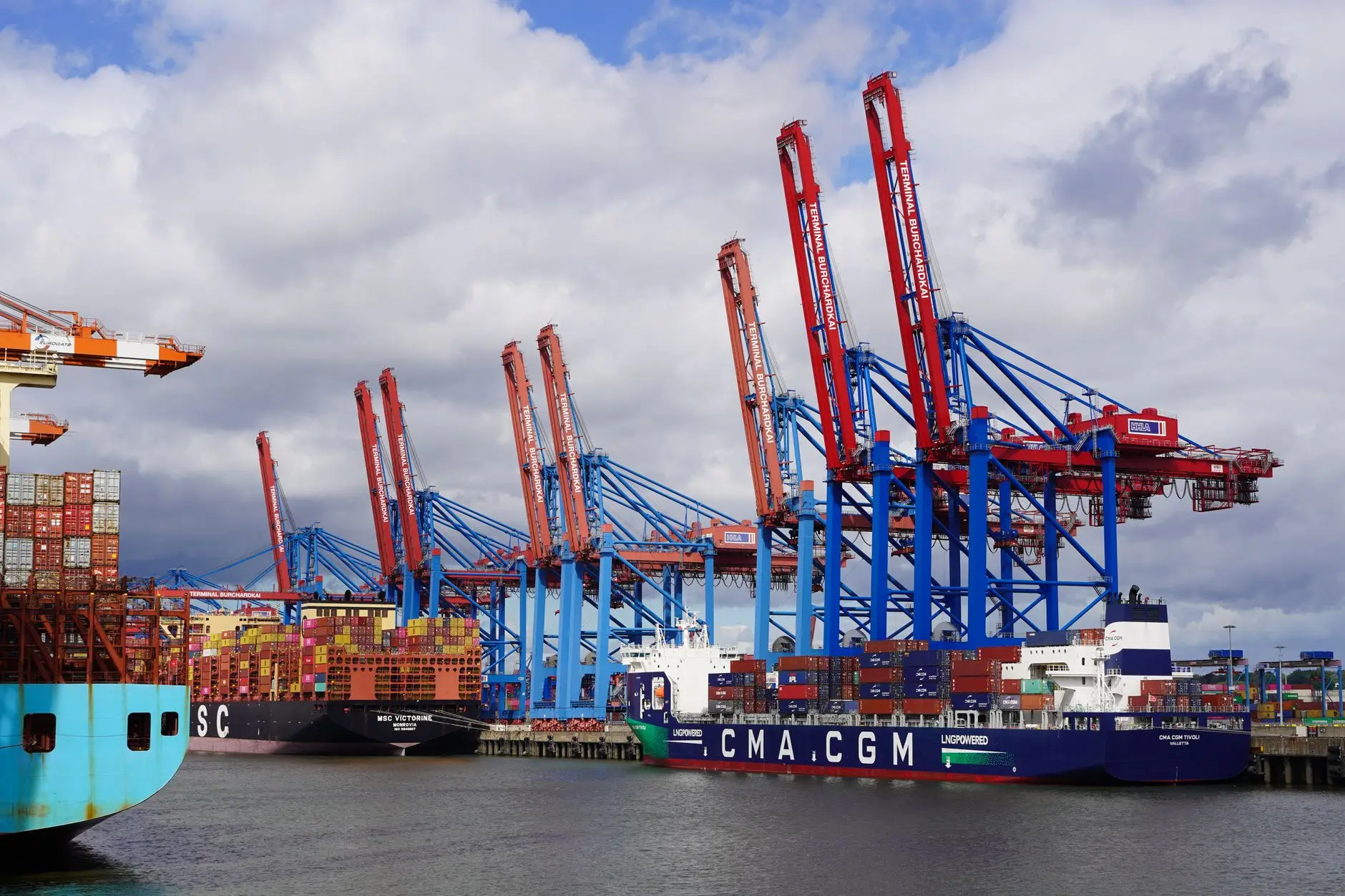
Operating inside the EU–Türkiye Customs Union provides industrial manufacturers with frictionless movement for industrial goods, eliminating standard tariffs when exporting to EU member states. Combined with high-frequency Ro-Ro maritime links connecting ports like Pendik, Yalova, and Çeşme directly to Trieste, Toulon, and Sète, finished vehicles and automotive rubber goods can reach major European distribution centers in less than 72 hours, an operational speed that distant Asian competitors cannot replicate.
Sources
Frequently asked questions
Why are foreign manufacturers choosing Türkiye to bypass trade barriers?
Foreign producers establish operations in Türkiye to leverage the European Union–Türkiye Customs Union, enabling tariff-free industrial export to European markets while bypassing punitive anti-dumping duties levied on goods originating from certain Asian countries.
What is the K9 light commercial vehicle program in Türkiye?
The K9 is a $300 million light commercial vehicle manufacturing initiative producing multi-brand van platforms for international distribution from modern production facilities in Türkiye.
Which tire manufacturer is opening a plant in Türkiye?
Qingdao Sentury Tire announced plans to establish a tire manufacturing facility in Türkiye to overcome global trade restrictions and supply Western markets more efficiently.
Are automotive parts made in Türkiye exempt from EU customs duties?
Yes, industrial goods manufactured in Türkiye and exported to the European Union circulate duty-free under the EU–Türkiye Customs Union, provided they comply with standard customs documentation such as the A.TR movement certificate.
How does light vehicle manufacturing benefit local component suppliers in Türkiye?
Large-scale assembly programs generate high-volume purchase orders for local tier-one and tier-two suppliers, supporting capacity utilization across stamping, electronics, seating, and mechanical component operations.
What transport routes connect Turkish automotive factories to European buyers?
Turkish manufacturing hubs utilize high-frequency Ro-Ro vessel services across the Mediterranean to ports in Italy and France, alongside direct highway and intermodal freight rail corridors traversing Southeast Europe.
More on this topic: Sourcing from Turkey: Manufacturers, Suppliers and Production