Turkey Export Growth Hits Record $409B Amid Trade Deals
Türkiye reaches a record $409.1 billion in annualized exports as expanding Central Asian trade agreements, defense shipments, and Ceyhan pipeline flows strengthen its international position.
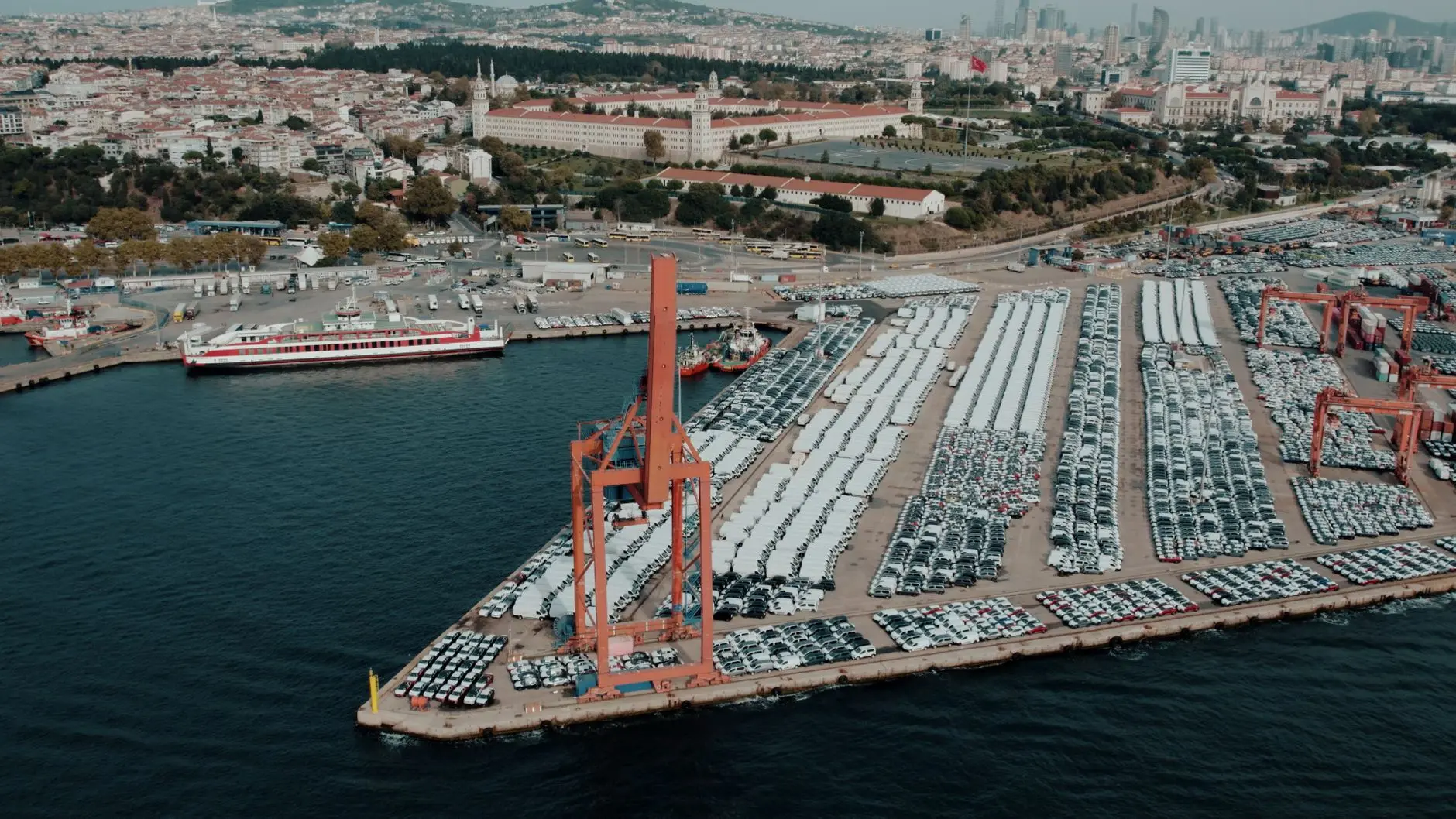
Türkiye’s global commercial footprint has reached an unprecedented milestone, with annualized exports touching a historic record of $409.1 billion, as reported by Daily Sabah. This landmark figure comes amid a broader structural transformation of the Turkish economy, driven by accelerated diplomatic engagement across Eurasia, deepening transport integration along the Middle Corridor, expanding defense industry sales, and key energy transit operations at Mediterranean terminals.
Key takeaways
- Annualized exports reached a record high of $409.1 billion as Türkiye diversifies export destinations and consolidates its position as a regional manufacturing hub.
- Commercial momentum is accelerating across Eurasia, evidenced by new bilateral agreements with Uzbekistan aimed at expanding trade to $5 billion and enhanced Middle Corridor integration with Kazakhstan.
- Energy and defense logistics have gained traction, highlighted by the resumption of Iraqi crude oil exports via Türkiye's Ceyhan port and growing international demand for Turkish defense equipment.
Record Export Performance and Industrial Economic Shifts
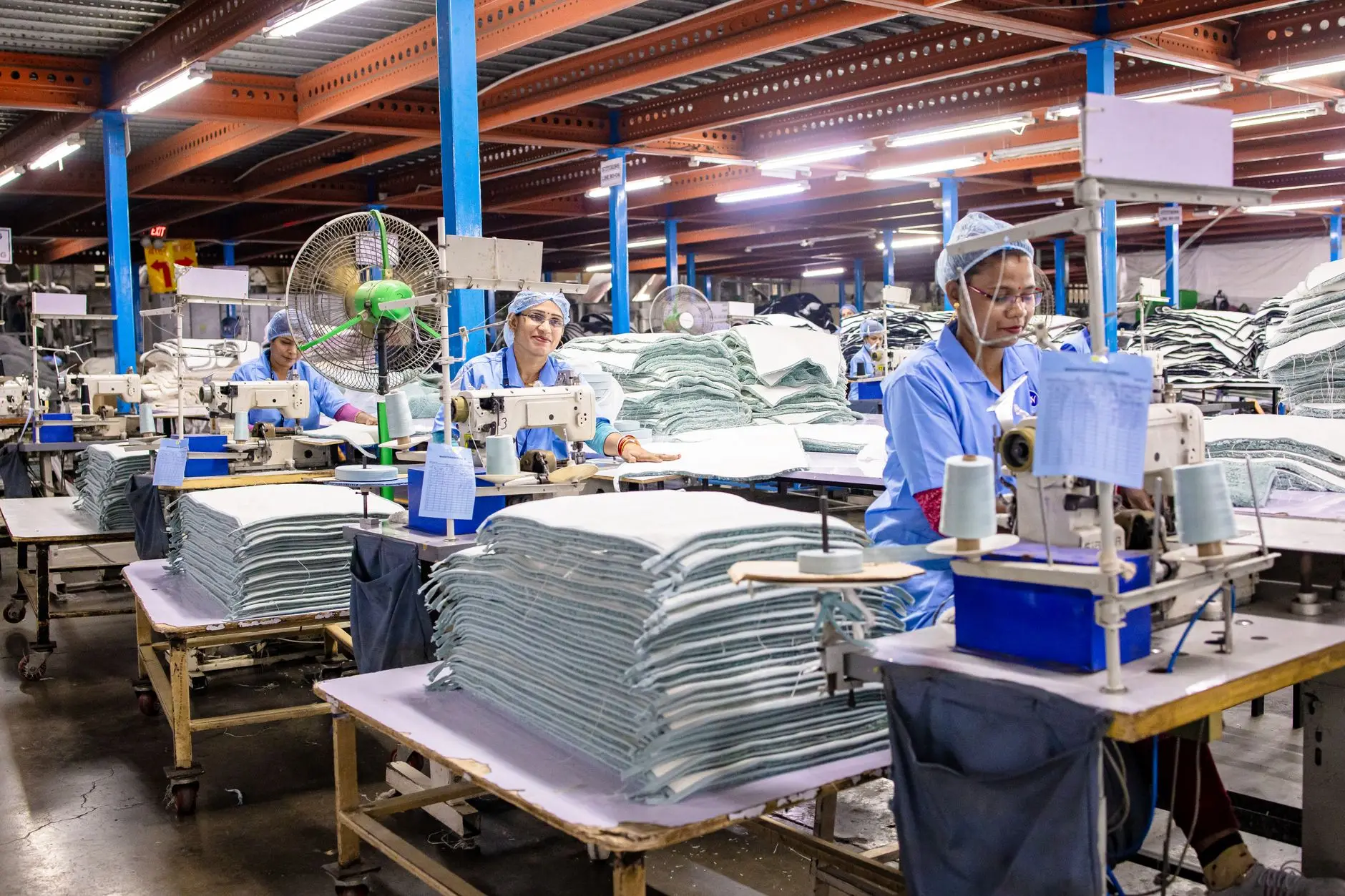
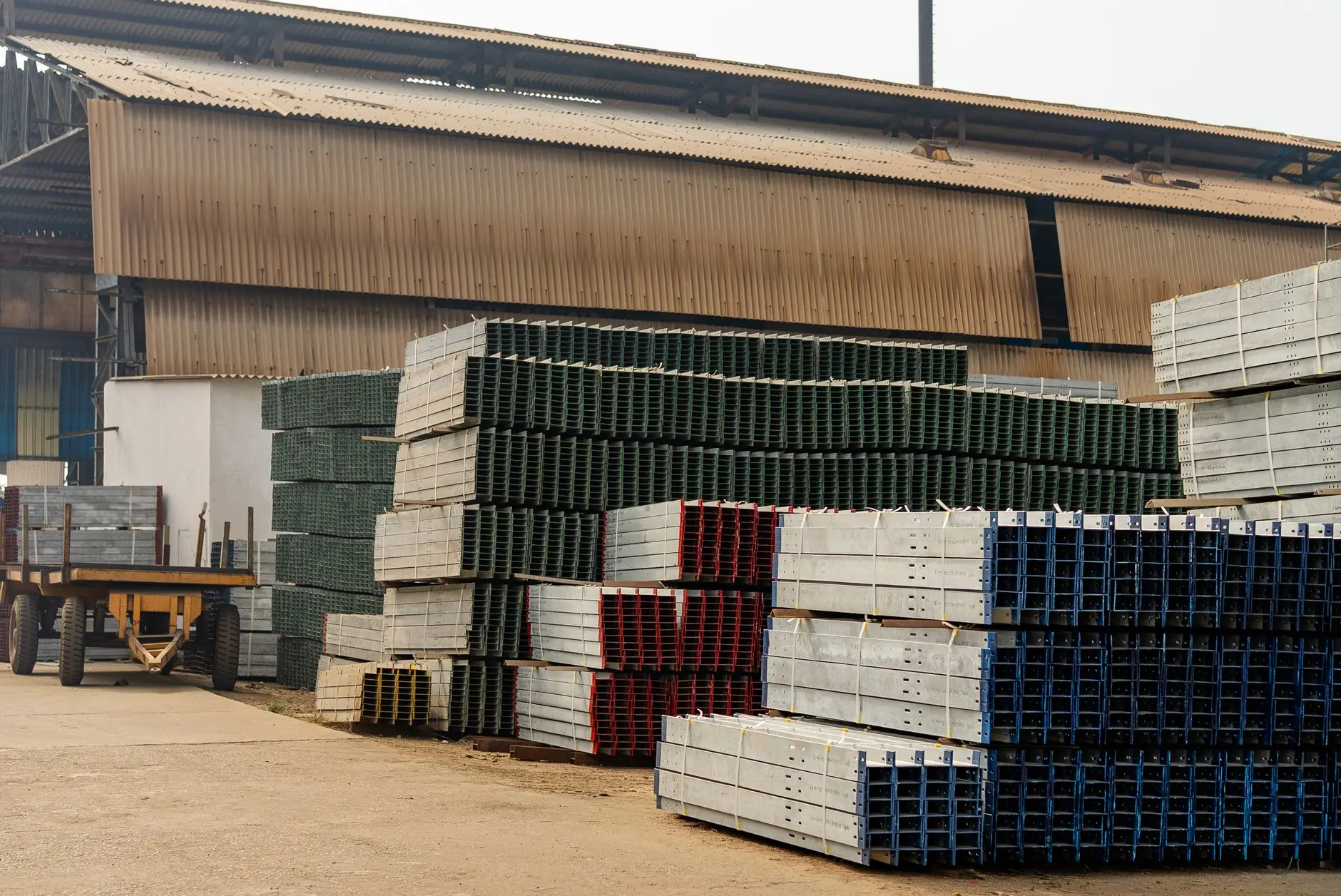
The record-breaking $409.1 billion in annualized exports reported by Daily Sabah underscores a fundamental shift in Türkiye's economic strategy. The Turkish manufacturing sector has increasingly directed its output toward non-traditional markets while fortifying its existing supply links to Western Europe and North America. Government trade policies, combined with competitive export capabilities, have helped Turkish firms capture market share across diverse sectors ranging from industrial machinery and military equipment to fresh produce and consumer goods.
A notable contributor to Türkiye’s expanding international footprint is its defense sector. As reported by Noonpost, Turkish defense exports are increasingly opening doors for diplomatic and commercial influence abroad. Deliveries of naval vessels, unmanned aerial vehicles, armored vehicles, and specialized electronics have allowed Turkish contractors to establish long-term maintenance, supply, and integration contracts in Africa, Asia, and Europe. This growth in high-value military technology not only generates direct export revenue but also creates commercial spillovers for dual-use manufacturing and engineering industries.
However, the export surge presents a mixed picture across conventional agricultural sectors. According to FreshPlaza, Turkish lemon exporters are currently navigating higher export volumes paired with weaker international demand and rising operational overhead. Citrus growers and shippers face elevated packing, labor, and transport costs, which compress profit margins even as supply volumes remain substantial. This highlights a broader trend within Turkish trade: while high-tech and industrial manufacturing benefit from robust global positioning, traditional agricultural commodities must navigate cost pressures and shifting demand patterns in key destination markets.
Guide:OEM Manufacturers in Turkey: OEM vs ODM Guide
Central Asian Integration and Strategic Trade Corridors
Beyond traditional trade lanes, Türkiye is aggressively expanding its commercial architecture across Central Asia. A key element of this strategy is the formal deepening of ties with Uzbekistan. As reported by Anadolu Agency, Türkiye and Uzbekistan have signed a series of new bilateral agreements designed to elevate two-way trade volume to $5 billion. These pacts span mutual investment protection, customs facilitation, technical cooperation, and joint manufacturing initiatives, establishing a predictable institutional framework for businesses operating in both nations.
Simultaneously, Türkiye is strengthening its position as a central transit node between Europe and Asia through the Trans-Caspian International Transport Route, commonly known as the Middle Corridor. Reporting by The Times of Central Asia emphasizes that Kazakhstan and Türkiye are consolidating their roles as primary operational partners across this logistics artery. By streamlining rail and maritime freight across the Caspian Sea, both nations aim to offer international cargo owners a faster alternative to traditional northern transit routes and congested ocean lanes, connecting East Asian suppliers to European distribution hubs via Anatolia.
Energy logistics also remain integral to Türkiye’s commercial infrastructure. According to EnergyNow, oil markets experienced downward price adjustments after Iraq officially resumed crude oil exports through Türkiye’s Ceyhan port. The reopening of the northern pipeline route restores vital crude flows to Mediterranean markets, underlining Ceyhan's position as a crucial energy hub for regional producers and international refiners. Reliable energy transit enhances Türkiye’s regional leverage while stabilizing domestic logistics infrastructure linked to heavy industrial and petrochemical processing.
What it means for foreign buyers and investors
For foreign procurement directors, sourcing agents, and global importers, Türkiye's record export volume signals expanded supplier capacity and improved operational reliability across multiple manufacturing categories. The growth in annualized exports reflects ongoing factory investments, updated production lines, and broader capacity utilization across Turkish industrial zones. International buyers seeking alternatives to East Asian manufacturing can leverage Türkiye's expanded supply bases, particularly in industrial components, automotive parts, defense-adjacent engineering, and processed goods.
Importers must nevertheless remain attentive to sector-specific market dynamics. While advanced manufacturing and defense-related supply chains benefit from scale and institutional support, agricultural purchasing requires careful negotiation around freight costs and margin structures. As seen in the citrus export segment, rising domestic input costs mean that foreign buyers must establish clear price-indexing mechanisms and quality specifications when drafting supply contracts with Turkish agricultural exporters.
For foreign investors, the expansion of the Middle Corridor and bilateral trade agreements with Central Asian nations like Uzbekistan creates compelling opportunities for cross-border logistics, assembly, and hub-and-spoke distribution strategies. Establishing manufacturing or logistics operations in Türkiye allows international firms to access duty-free and low-tariff trade networks extending across North Africa, the Middle East, Central Asia, and the European Union. Investors can utilize Turkish operations as an export platform to supply surrounding emerging markets directly.
Evaluating Sector Dynamics and Transport Logistics
Middle Corridor Transit and Freight Efficiency
The Middle Corridor provides foreign supply chain managers with a land-based alternative connecting Eurasia to Europe. Reduced transit times through Kazakh rail networks, Caspian ports, and Turkish rail infrastructure enable companies to optimize inventory turnover. Importers leveraging this corridor can minimize buffer stock levels while ensuring consistent delivery schedules for high-value components.
Agricultural and Commodities Sourcing Realities
While Türkiye’s industrial output accelerates, fresh produce exporters face distinct cost environments. Importers sourcing commodities like lemons or other perishables must factor elevated regional transport costs and currency shifts into their procurement budgets. Partnering with capitalized exporters who possess modern cold-chain infrastructure helps mitigate supply chain friction and pricing volatility.
Industrial Spillover from Defense and Energy Growth
The expansion of defense exports and the active status of energy hubs like Ceyhan support broader industrial modernization in Türkiye. Defense contractors mandate strict quality assurance standards, ISO certifications, and precision engineering capabilities among local sub-tier suppliers. Foreign OEM buyers can capitalize on these upgraded domestic vendor capabilities to source precision-machined parts, electronics, and technical textiles.
Outlook for Turkish Export Growth and Supply Networks
The trajectory of Turkish trade suggests continued export diversification, backed by state-level trade diplomacy and strategic infrastructure projects. As bilateral agreements with Uzbekistan take effect and Middle Corridor bottlenecks are systematically addressed, trade flows between Anatolia and Central Asia are positioned to expand further. The continuous integration of regional transport links will allow Turkish manufacturers to source raw materials more efficiently while expanding their export reach into fast-growing Central Asian consumer markets.
International companies operating in or buying from Türkiye stand to benefit from these structural upgrades. As long as Turkish manufacturers manage cost inflation and maintain competitive pricing, the country’s role as a major global sourcing alternative and transit hub will continue to solidify across key manufacturing and energy sectors.
Sources
- Arms and influence: Türkiye’s defence exports open doors abroad — نون بوست
- Turkish lemon exporters face higher volumes but weaker demand and rising costs — FreshPlaza
- Oil Falls After Iraq Resumes Oil Exports via Turkey’s Ceyhan Port — EnergyNow
- Türkiye's annualized exports hit record $409.1B as economy transforms | Daily Sabah — Daily Sabah
- Kazakhstan and Türkiye: Partners Across the Middle Corridor — The Times Of Central Asia
- Türkiye, Uzbekistan ink new deals to boost trade volume to $5B — Anadolu Ajansı
Frequently asked questions
What drove Turkey export growth to a record $409.1 billion?
The record in annualized exports was driven by structural economic shifts, expanded manufacturing output, broader export market diversification, strong defense industry sales, and strategic trade partnerships across Eurasia.
How does the Middle Corridor benefit foreign companies sourcing from Türkiye?
The Middle Corridor offers an efficient land-based freight route connecting Asia, Central Asia, and Europe via Türkiye, enabling shorter transit times and reliable inventory management for international buyers.
What is the target trade volume between Türkiye and Uzbekistan under their new deals?
Türkiye and Uzbekistan have signed bilateral agreements aimed at increasing their total mutual trade volume to $5 billion per year.
Why are Turkish lemon exporters experiencing margin pressures despite high volumes?
Turkish lemon exporters face elevated operational and transport costs combined with weaker international demand in key export markets, which compresses profit margins despite strong supply availability.
Why is the resumption of oil exports through Ceyhan port significant?
The resumption of crude oil flows from Iraq through Türkiye's Ceyhan port restores crucial Mediterranean energy transit capacity, stabilizing crude supplies and supporting Türkiye's role as a regional energy hub.
How do defense export achievements affect broader commercial manufacturing in Türkiye?
Defense export growth drives technological investments and strict quality standards across sub-tier suppliers, raising overall capabilities in precision engineering, electronics, and advanced manufacturing for international commercial buyers.
More on this topic: Sourcing from Turkey: Manufacturers, Suppliers and Production