Turkish Textile Trade and Investment Expands Globally
Turkish manufacturers are pursuing regional partnerships in Syria and deepening economic cooperation with Tanzania across textiles, mining, and agriculture.
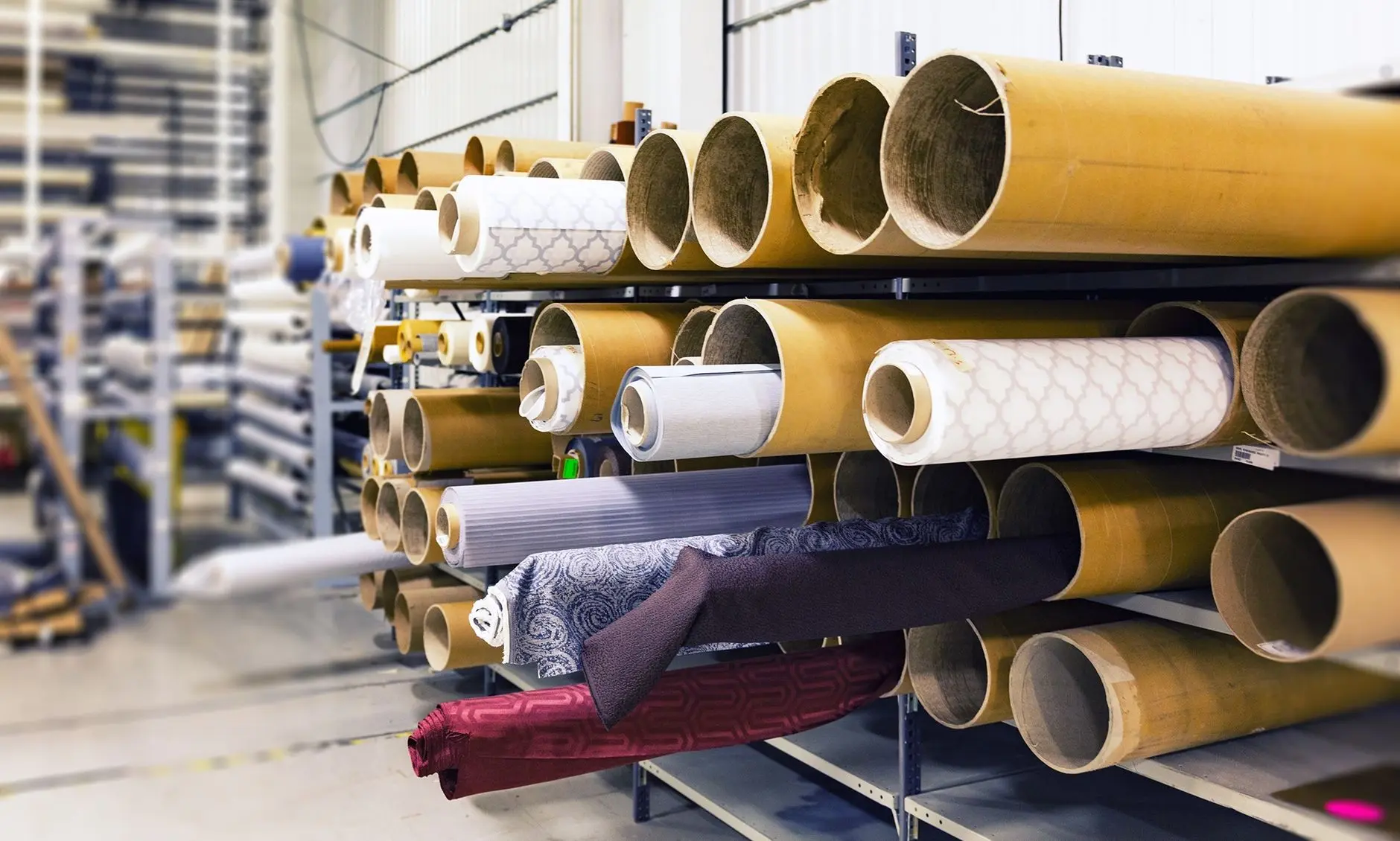
Turkish Textile Industry Seeks Cross-Border Growth
Turkish textile manufacturers are actively exploring investment opportunities and partnership agreements in Syria while strengthening economic ties with East African markets such as Tanzania. According to reports from SANA and the Tanzanian Daily News, Turkish firms are seeking to expand their production footprint and commercial networks in key regional hubs. The moves reflect broader efforts by Türkiye's industrial sector to diversify trade corridors, optimize manufacturing costs, and build deeper bilateral partnerships across the Middle East and Africa.
Key takeaways
- Syrian Textile Partnerships: Turkish companies are engaging with Syrian counterparts to explore manufacturing investments and cross-border partnerships in the textile sector.
- East African Expansion: Tanzania is leveraging strong bilateral ties with Türkiye to advance growth in textiles, agriculture, mining, and construction.
- Supply Chain Realignment: Regional integration offers international sourcing partners new logistics routes and collaborative production opportunities.
Expanding Footprint in Syria's Textile Sector
As reported by SANA, Turkish companies have initiated discussions to explore joint ventures and strategic investments in Syria’s textile industry. Syrian manufacturing hubs, historically recognized for their cotton production and garment craftsmanship, offer potential synergy with Türkiye's modernized textile infrastructure. By partnering with local producers, Turkish firms aim to rebuild regional supply chains, optimize raw material sourcing, and restore trade flows across neighboring borders.
For Türkiye's textile leaders, cross-border co-production allows companies to capitalize on shared industrial heritage while mitigating rising domestic overhead costs. Re-establishing manufacturing ties with Syria could also unlock streamlined land transport routes into the wider Middle East, enhancing supply chain resilience for export-oriented goods.
Strengthening Multisectoral Trade Ties with Tanzania
Concurrently, East African nations are deepening commercial integration with Türkiye. According to the Tanzanian Daily News, Tanzania is actively leveraging its diplomatic and economic relationship with Türkiye to drive development across several key industrial sectors, including textiles, construction, agriculture, and mining. Tanzanian officials view Turkish expertise and capital investment as central catalysts for industrializing domestic production capabilities.
Guide:OEM Manufacturers in Turkey: OEM vs ODM Guide
The bilateral relationship provides Turkish companies with preferred access to Tanzania’s growing consumer market and rich natural resource base. In return, Tanzanian enterprises gain access to advanced Turkish machinery, technical know-how, and established global distribution networks. The textile sector stands out as a core pillar of this partnership, as both nations look to capitalize on raw material processing and value-added garment manufacturing.
What it means for foreign buyers and investors
For international apparel brands and sourcing executives, the expansion of Turkish textile operations into Syria and East Africa introduces broader options for regional co-production. Foreign buyers who rely on Türkiye for fast-fashion turnarounds and high-quality textiles may benefit from expanded regional production capacity and diversified supply chains. Collaborations between Turkish manufacturers and partner nations can help manage production costs while maintaining Turkish quality control standards.
Foreign direct investors monitoring Türkiye's industrial strategy should note the country's growing role as a regional manufacturing integrator. Companies establishing operations in Türkiye can leverage the country’s existing trade infrastructure to access emerging African and Middle Eastern markets, taking advantage of bilateral framework agreements in industrial machinery, mining, and construction.
Industrial Synergies and Strategic Directions
The dual focus on Syrian partnership and Tanzanian bilateral trade underscores Türkiye's strategy of pairing domestic technical capacity with regional resource availability. In East Africa, joint efforts in agriculture and mining complement industrial projects, creating a comprehensive framework for bilateral trade.
Syrian Infrastructure Integration
Re-engaging Syria's textile framework allows Turkish companies to assist in restoring industrial output while securing near-shore supply routes. Shared border logistics drastically reduce transit times compared to ocean freight from East Asia.
East African Market Access
Tanzania serves as a strategic entry point for Turkish enterprise into the East African Community (EAC). Joint ventures in textile processing and agricultural machinery support local value addition while opening new export channels for Turkish goods.
Sources
Frequently asked questions
Why are Turkish textile firms exploring investments in Syria?
Turkish companies are seeking to establish cross-border partnerships, restore historical trade corridors, and utilize near-shore co-production opportunities in Syria's textile sector.
How is Tanzania collaborating with Türkiye in textiles and other sectors?
Tanzania is leveraging its trade relationship with Türkiye to upgrade domestic manufacturing, agricultural processing, mining operations, and construction capabilities through Turkish technology and investment.
What advantages does regional co-production offer foreign buyers sourcing from Türkiye?
Regional co-production helps Turkish suppliers manage input costs and scale production capacity, providing foreign buyers with flexible sourcing options while maintaining high quality standards.
Which non-textile sectors are benefiting from Turkish-Tanzanian trade ties?
In addition to textiles, the bilateral partnership focuses on advancing Tanzania's agriculture, mining, and construction industries through Turkish equipment, capital, and expertise.
More on this topic: Sourcing from Turkey: Manufacturers, Suppliers and Production