Source Clothing in Turkey: Textile & Apparel Guide
A comprehensive practical guide for international brands and buyers on sourcing garments, vetting factories, managing MOQs, and navigating compliance in Türkiye.
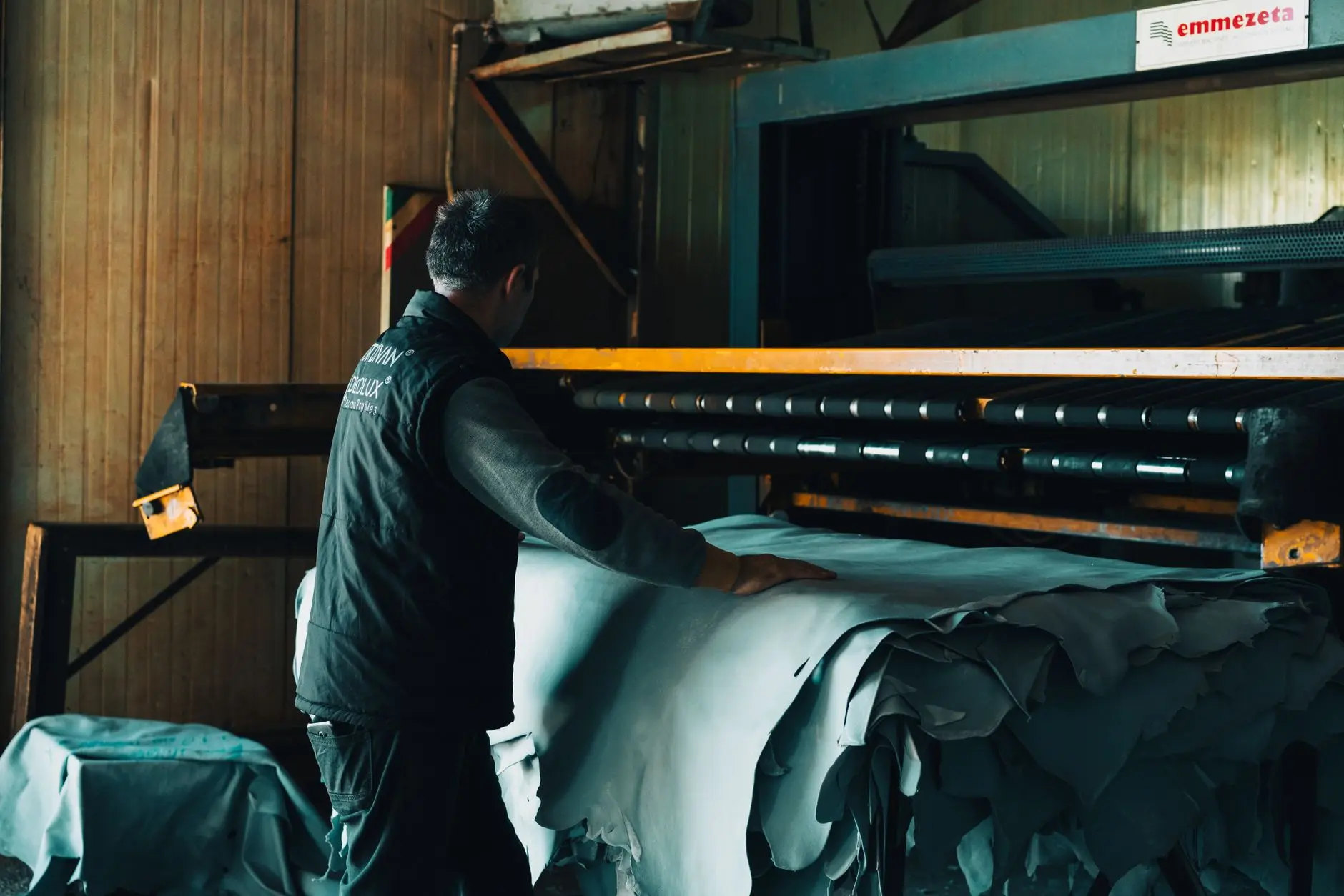
Sourcing textile and apparel products from Türkiye offers global brands a strategic combination of high-grade raw materials, flexible production cycles, and direct access to major European and Middle Eastern trade routes. To build a successful apparel sourcing operation in the country, foreign buyers must select the appropriate regional manufacturing hub, supply detailed technical packages, verify factory social and environmental compliance, and manage customs documentation accurately. By structuring formal supplier agreements and enforcing standardized quality control protocols, international companies can capitalize on Türkiye’s vertically integrated garment sector while minimizing production risks and supply chain delays.
Key takeaways
- Regional specialization matters: Match your product category with the appropriate manufacturing hub—Istanbul for fast fashion and structured woven garments, Izmir for organic cotton and jersey knitwear, Bursa for technical synthetics, and Denizli for home textiles.
- Detailed tech packs prevent costly errors: Providing clear bill-of-materials, exact fabric GSM, tech packs, and Pantone codes minimizes misunderstandings in fit, color matching, and construction details.
- Compliance verification is mandatory: Ensure candidate factories hold valid international certifications such as OEKO-TEX, GOTS, BSCI, or SEDEX to meet regulatory standards in target export markets.
- Manage fabric versus garment MOQs: Understand that fabric dye-house minimums often dictate production thresholds more than garment assembly line limits.
Key Regional Hubs for Textile and Apparel Manufacturing in Türkiye
Türkiye’s textile and apparel industry is highly clustered across specialized industrial regions. Choosing the right city for your sourcing requirements depends heavily on raw material needs, garment complexity, and required order volumes.
Istanbul: Fast Fashion, Woven Garments, and Commercial Offices
Istanbul serves as the commercial heart of the Turkish apparel industry. The city hosts headquarters, design studios, buying offices, and specialized manufacturing facilities in industrial districts such as Merter, Yenibosna, and Bağcılar. Istanbul is the primary destination for fast-fashion woven garments, outerwear, tailoring, and high-end fashion collections. Its proximity to international airports and commercial centers makes sample approvals and buyer visits highly efficient.
Izmir and the Aegean Region: Organic Cotton, Knitwear, and Sustainable Apparel
Izmir and its surrounding Aegean hinterland specialize in high-quality cotton apparel, circular knits, t-shirts, sweatshirts, and activewear. The region is famous for Aegean long-staple cotton, prized for its soft hand-feel and durability. Izmir is also the primary hub for sustainable apparel manufacturing, housing numerous factories certified for organic cotton processing under international ecological standards.
Related guide:OEM Manufacturers in Turkey: OEM vs ODM Guide
Bursa: Technical Fabrics, Synthetics, and Fabric Finishing
Historically renowned as a silk trading center, Bursa is now a powerhouse for synthetic weaving, technical textiles, linings, jacquards, and advanced fabric finishing. Buyers looking for performance fabrics, polyester blends, specialized printing, or complex synthetic materials will find Bursa’s yarn mills and finishing houses central to their supply chains.
Denizli, Kahramanmaraş, and Gaziantep: Home Textiles, Denim, and Yarn Production
For specialized product categories, southern and western Anatolian hubs offer deep raw-material integration. Denizli is world-renowned for bathrobes, towels, and home textiles. Kahramanmaraş produces massive volumes of raw cotton yarn and heavy denim fabrics, while Gaziantep excels in non-woven textiles, synthetic carpet yarns, and bulk fabric processing.
Navigating Sourcing Models: Full Package vs. Cut-Make-Trim (CMT)
Foreign buyers must select the operational sourcing model that aligns best with their internal capabilities, design resources, and supply chain control requirements.
Full Package Sourcing (FOB / Design to Delivery)
Under the Full Package model (often quoted on a Free on Board basis), the manufacturer assumes complete responsibility for raw material procurement, pattern grading, sample development, fabric cutting, sewing, trimming, packing, and local customs export clearance. This model is ideal for foreign brands that do not maintain a physical team in Türkiye or prefer a single point of accountability. The factory manages sub-suppliers for trims, thread, and packaging, integrating these costs into the final unit price.
Cut, Make, Trim (CMT) Sourcing
In a CMT arrangement, the buyer provides the raw fabric, trims, labels, and technical documentation to the factory. The manufacturer is responsible solely for cutting the fabric, assembling the garment, and trimming final threads. CMT gives buyers strict control over material quality and fabric costs, making it suitable for brands sourcing proprietary high-tech textiles or luxury fabrics. However, CMT requires the buyer to manage complex logistics, customs duties on imported raw materials, and local fabric delivery schedules to the assembly line.
Fabric Procurement and Sustainable Material Options
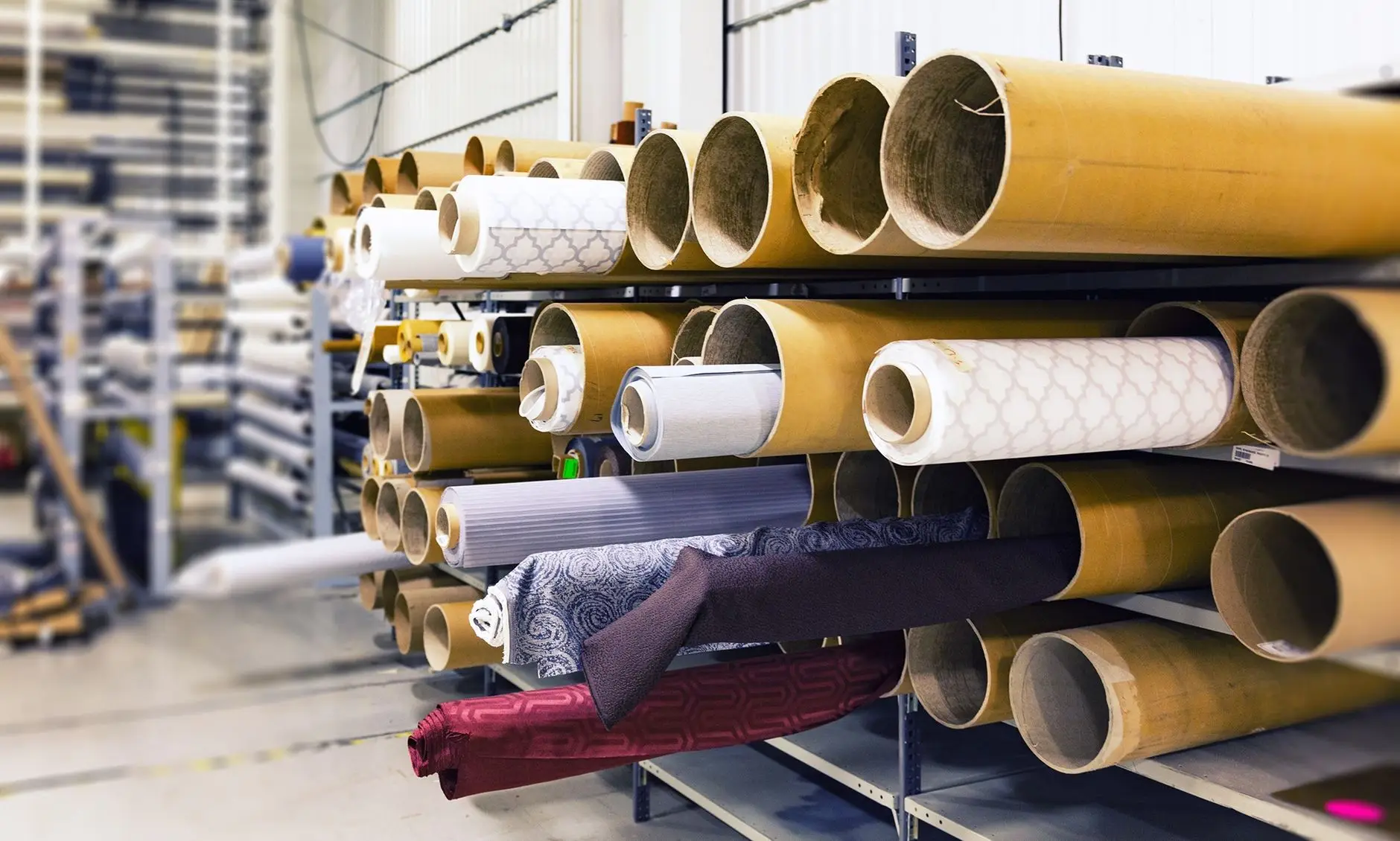
Türkiye’s vertical integration allows buyers to source locally knitted or woven fabrics directly through the garment manufacturer. Local mills produce extensive options, including conventional cotton, organic cotton, recycled polyester (rPET), viscose, elastane blends, and linen. When sourcing sustainable materials, buyers should request full traceability documents from the fabric mill to ensure compliance with international sustainability regulations.
Managing MOQs, Tech Packs, and the Sampling Process
Misaligned expectations regarding production minimums and sampling stages cause frequent friction between foreign buyers and Turkish factories. Clear technical documentation and realistic lead-time expectations are crucial.
Developing Comprehensive Technical Packages
Turkish manufacturers require detailed technical packages (tech packs) before issuing accurate cost quotations or creating prototype samples. A complete tech pack must include:
- Design sketches and detailed flat drawings with stitch details.
- A comprehensive Bill of Materials (BOM) detailing main fabric, lining, threads, zippers, buttons, care labels, and hangtags.
- Fabric specifications, including fabric weight (GSM or grams per square meter), composition, and knit or weave structure.
- A complete measurement specification chart across all intended target sizes, including allowable tolerance limits (e.g., ±0.5 cm).
- Pantone (TPX/TCX) color codes for garment dyeing, fabric printing, or yarn selection.
Understanding Factory MOQs vs. Fabric Mill MOQs
Minimum Order Quantities (MOQs) in Türkiye are usually determined by fabric dye-house requirements rather than sewing machine capacity. While a garment assembly line might comfortably stitch 300 pieces of a shirt, a dye house may require a minimum of 1,000 meters of custom-dyed fabric per colorway. Buyers seeking lower garment MOQs can select stock fabrics (ready-dyed commercial fabrics available in local wholesale markets) to reduce minimum order requirements per style.
The Multi-Stage Sampling Workflow
To avoid bulk production errors, buyers must systematically execute and approve samples at each phase of development:
- Proto Sample: Verifies basic design execution, silhouette, and construction using available studio fabrics.
- Fit Sample: Evaluates garment dimensions, drop, and body fit on a live model or form, using target fabric weights.
- Salesman Sample (SMS): Produced in exact target fabrics, colors, and trims for market showroom display or buyer presentations.
- Pre-Production Sample (PPS): The final sample produced on the actual factory assembly line using bulk production fabric, trims, and packaging. Bulk cutting must not begin until the buyer issues written approval of the PPS (often designated as the 'Gold Sample').
Quality Control, Factory Audits, and International Compliance
Maintaining brand reputation and regulatory compliance requires direct oversight of factory working conditions, environmental practices, and quality assurance processes.
Social and Environmental Compliance Audits
International apparel buyers, particularly those selling into European or North American retail markets, must ensure that Turkish manufacturers meet recognized social compliance frameworks. Foreign buyers should check whether candidate factories maintain active registration and passing audit scores with:
- BSCI (Business Social Compliance Initiative): Audits working hours, fair compensation, workplace health and safety, and prohibition of child labor.
- SEDEX / SMETA: Standardized audit methodology covering labor standards, health and safety, environment, and business ethics.
- WRAP (Worldwide Responsible Accredited Production): Widely recognized certification for apparel assembly facilities.
Chemical and Textile Safety Testing
Apparel entering international markets must comply with chemical safety standards such as the European Union's REACH regulation. Foreign buyers should require manufacturers to supply valid testing certificates from accredited laboratories. Essential certifications include:
- OEKO-TEX Standard 100: Confirms that textiles are free from harmful levels of toxic chemicals, heavy metals, and allergenic dyes.
- GOTS (Global Organic Textile Standard): Validates the organic status of textiles from harvesting of raw materials through environmentally and socially responsible manufacturing.
- GRS (Global Recycled Standard): Tracks and verifies recycled material content in finished products.
Implementing AQL Quality Inspections
Relying solely on factory internal quality checks exposes buyers to defect risks. Foreign brands should incorporate standardized Acceptable Quality Limit (AQL) inspections into their purchase orders, typically applying AQL 2.5 for major defects and AQL 4.0 for minor defects. Inspections should be carried out by internal brand auditors or independent third-party inspection firms at two main stages:
- In-Line Inspection (DUPRO): Conducted when 15% to 20% of the order is completed to catch stitching or construction flaws early.
- Final Random Inspection (FRI): Conducted when at least 80% of the total order is packed into shipping cartons.
Commercial Terms, Pricing Structures, and Currency Risk
Financial arrangements in Turkish apparel manufacturing require careful structuring to manage currency volatility, raw material price shifts, and working capital cash flows.
Navigating Currency Choices and Indexation Clauses
While local factory operational expenses (labour, facility rents) are denominated in Turkish Lira, raw cotton, synthetic yarn, and imported dyes are priced globally in US Dollars or Euros. Consequently, most export garment factories issue quotations in Euros (EUR) or US Dollars (USD). Contracts should clearly specify the settlement currency and state how material price fluctuations exceeding agreed thresholds will be handled during multi-month production runs.
Standard Payment Terms and Financial Structures
Payment terms vary depending on buyer credit history, order size, and existing factory relationships. Common commercial payment structures include:
- Advance Deposit plus Balance Against Documents: A standard terms model involves a 30% advance telegraphic transfer (T/T) deposit upon purchase order issuance to fund raw material purchasing, with the 70% balance payable upon submission of the Bill of Lading (B/L) and inspection certificates.
- Irrevocable Letter of Credit (L/C): Preferred for large-scale production orders or new trading relationships. An L/C at sight protects both parties by ensuring factory payment upon presentation of compliant shipping and quality documents to the issuing bank.
- Open Account Terms: Usually reserved for established buyers with multi-year sourcing histories and high volume commitments.
Logistics, Customs, and Export Documentation
Türkiye's geographic location enables fast turnaround times for European buyers via overland truck transit, as well as efficient maritime links to North America and Asia.
The EU-Türkiye Customs Union and ATR Certificates
Under the EU-Türkiye Customs Union agreement, industrial goods—including most apparel and finished textiles—can move between Türkiye and European Union member states without customs duty tariffs. To claim duty-free entry into the EU, shipments must be accompanied by an A.TR Movement Certificate issued by local chambers of commerce and stamped by customs authorities. Buyers shipping to non-EU destinations should verify applicable free trade agreements (FTAs) and ensure proper Certificates of Origin are executed under relevant Pan-Euro-Mediterranean preferential rules.
Shipping Modes and Transit Times
Logistics strategies should align with retail delivery schedules and seasonal launch dates:
- Overland Road Freight: The preferred choice for European deliveries. Truck transit from Istanbul or Izmir to central Europe typically takes between 5 and 8 days, allowing rapid inventory replenishment for fast-fashion collections.
- Ocean Freight (FCL/LCL): Used for bulk shipments to North America, Asia, and the Middle East. Ocean container shipping from major Turkish ports (Ambarlı, Gemlik, Alsancak) offers cost-effective long-haul transit.
- Air Freight: Reserved for high-value fashion items, urgent sample deliveries, or tight retail deadline fills.
Step-by-Step Apparel Sourcing Checklist
- Define product specifications: Prepare complete technical packages, size charts, material specifications, and desired target pricing.
- Identify regional manufacturing hubs: Match your product category (e.g., woven outerwear vs. organic knits) to candidate factories in Istanbul, Izmir, or Bursa.
- Execute non-disclosure agreements (NDAs): Protect design patterns, tech packs, and brand intellectual property before sharing confidential files with candidate suppliers.
- Issue Requests for Quotation (RFQs): Request detailed price breakdowns (fabric cost, CMT, trims, washing, packaging, FOB terms) and factory MOQs across target colorways.
- Request and verify compliance certificates: Audit candidate facilities for active BSCI, SEDEX, OEKO-TEX, or GOTS credentials directly through issuing bodies or verified audit reports.
- Commission prototype and fit samples: Evaluate initial workmanship, pattern accuracy, and fabric hand-feel; provide consolidated feedback for adjustments.
- Sign formal manufacturing agreement: Draft a comprehensive contract specifying fabric specs, AQL quality standards, payment terms, delivery schedules, late-delivery penalties, and legal dispute resolution mechanisms.
- Approve the Pre-Production Sample (PPS): Inspect and sign off on the exact PPS ('Gold Sample') before authorizing bulk fabric cutting.
- Perform in-line and final AQL inspections: Conduct third-party quality audits during sewing and after final packaging prior to releasing final payment.
- Verify export documentation: Confirm accuracy of commercial invoices, packing lists, Bills of Lading, and A.TR or Certificate of Origin documents before shipment departure.
Common Mistakes Foreign Buyers Make (And How to Avoid Them)
Foreign buyers often encounter preventable delays and financial losses by overlooking key operational nuances unique to the Turkish textile ecosystem.
Relying on Incomplete Technical Specifications
Submitting vague sketches or incomplete tech packs leaves critical construction details to factory interpretation. This frequently leads to incorrect fabric GSM, improper seam stitching, or inaccurate sizing. Always supply standardized tech packs complete with bill-of-materials and clear measurement tolerance charts.
Conflating Factory Sewing Capacity with Fabric Minimums
Foreign buyers often negotiate garment MOQs with factory management without considering fabric mill minimums. If custom dyeing requires 1,000 meters of fabric, agreeing to stitch 300 garments leaves excess un-dyed material cost that must be absorbed. Align your garment order quantities directly with raw fabric roll yields and dye-house minimums.
Failing to Conduct Independent On-Site Quality Control
Assuming that a factory with high-profile clients will automatically deliver defect-free bulk shipments is a risky strategy. Changes in factory sub-contractors, machine calibration, or shift workers can affect quality. Always mandate an independent AQL 2.5 final inspection before approving final payment release.
Neglecting Trade Documentation and Rules of Origin
Failing to secure correct export paperwork—such as missing A.TR certificates for EU shipments or incorrect origin declarations for FTA partners—can result in severe customs clearance delays, retroactively applied import tariffs, and demurrage fees at destination ports. Ensure your sourcing agent or freight forwarder audits customs paperwork prior to vessel loading.
Frequently asked questions
What is the typical production lead time for clothing in Türkiye?
Standard apparel production lead times in Türkiye range from 4 to 8 weeks following Pre-Production Sample (PPS) sign-off and fabric approval. Express fast-fashion re-orders utilizing stock fabrics can sometimes be completed in 2 to 3 weeks, whereas custom-milled organic fabrics or complex tailored outerwear may require 10 to 12 weeks.
Can small fashion brands source low MOQs from Turkish factories?
Yes, smaller brands can source lower quantities by utilizing stock fabrics available from local wholesale fabric markets in Istanbul or Izmir. When choosing stock fabrics, garment assembly MOQs can drop to 100-300 pieces per style, compared to 1,000+ pieces for custom-dyed or custom-knitted fabrics.
What certifications are required to import organic apparel from Türkiye?
To market imported apparel as organic, foreign buyers should require manufacturers to hold valid Global Organic Textile Standard (GOTS) or Organic Content Standard (OCS) certifications. Both the fabric mill and the garment manufacturing facility must provide valid Scope Certificates (SC) and Transaction Certificates (TC) for the specific shipment batch.
Are apparel exports from Türkiye to the EU exempt from customs duties?
Yes, under the EU-Türkiye Customs Union, industrial goods including finished apparel enter EU member states duty-free, provided the shipment is accompanied by a valid A.TR Movement Certificate issued by Turkish customs authorities.
How do foreign companies protect their apparel designs in Türkiye?
Foreign buyers should execute a legally binding Non-Disclosure and Non-Circumvention Agreement (NDNC) governed by Turkish law before sharing tech packs. Furthermore, registering brand trademarks with the Turkish Patent and Trademark Office (TürkPatent) provides formal legal protection against unauthorized copying or domestic resale.
Should I work directly with apparel factories or hire a sourcing agent?
Working directly with factories is suitable for established brands with experienced internal production teams, high volumes, and clear technical capabilities. First-time foreign buyers or smaller brands often benefit from engaging an independent local sourcing agent to handle factory vetting, daily production monitoring, language translation, and quality control inspections on the ground.
How are raw material price increases handled during production runs?
Quotations typically remain valid for a specified window, such as 30 days. To avoid mid-production price adjustments, contracts should explicitly fix raw material costs once the initial deposit is paid, or include a clear indexation clause specifying how changes in global cotton or synthetic yarn indices impact final unit pricing.
More on this topic: Sourcing from Turkey: Manufacturers, Suppliers and Production