Turkey Investment Opportunities: AI, Energy and Tech
From a $10 billion AI infrastructure push to green hydrogen targets and regional textile agreements, Türkiye is positioning key industrial sectors for long-term growth.
Türkiye is advancing strategic national and cross-border initiatives across artificial intelligence, clean energy, and light manufacturing, emphasizing the country's broader industrial modernization goals. Recent announcements detail a $10 billion target for AI infrastructure investment alongside strategic energy plans designating green hydrogen as a primary driver of domestic electricity demand by 2040. Simultaneously, Turkish industrial ties are expanding across regional markets, highlighted by deepened cooperation with Uzbekistan in textiles and leather goods and high-level dialogue at the Istanbul Economic Forum.
Key takeaways
- Digital Infrastructure Push: Türkiye is targeting $10 billion in artificial intelligence infrastructure investment to enhance computing capacity, data management, and industrial automation capabilities.
- Clean Energy Transition: Energy planners have identified green hydrogen as a critical long-term catalyst expected to scale domestic electricity demand significantly by 2040.
- Regional Manufacturing Partnerships: Türkiye and Uzbekistan are expanding bilateral cooperation across textiles, garments, and leather-footwear, while international meetings at the Istanbul Economic Forum highlight solid performance in productive sectors.
Strategic Push into Artificial Intelligence and Digital Infrastructure
As international supply chains become increasingly digitized, Türkiye is actively seeking to position itself as a tech and data hub for Eurasia. According to Hürriyet Daily News, Türkiye is targeting $10 billion in artificial intelligence infrastructure investment. This commitment reflects a focused effort to expand hardware capacity, build high-speed data networks, and foster AI-driven applications across industrial manufacturing, logistics, and financial services.
For global technology firms and venture capital partners, this infrastructure target opens up strategic turkey investment opportunities in data center construction, cloud computing ecosystems, and localized AI development. Modernizing digital backbone facilities allows industrial parks and advanced manufacturing plants in Türkiye to integrate machine learning, predictive maintenance, and automated quality control into standard operations. By building robust computing resources, the nation aims to maintain its competitive edge over traditional low-cost manufacturing markets while offering foreign tech providers a springboard into neighboring regional economies.
Energy Transition and Regional Manufacturing Integration
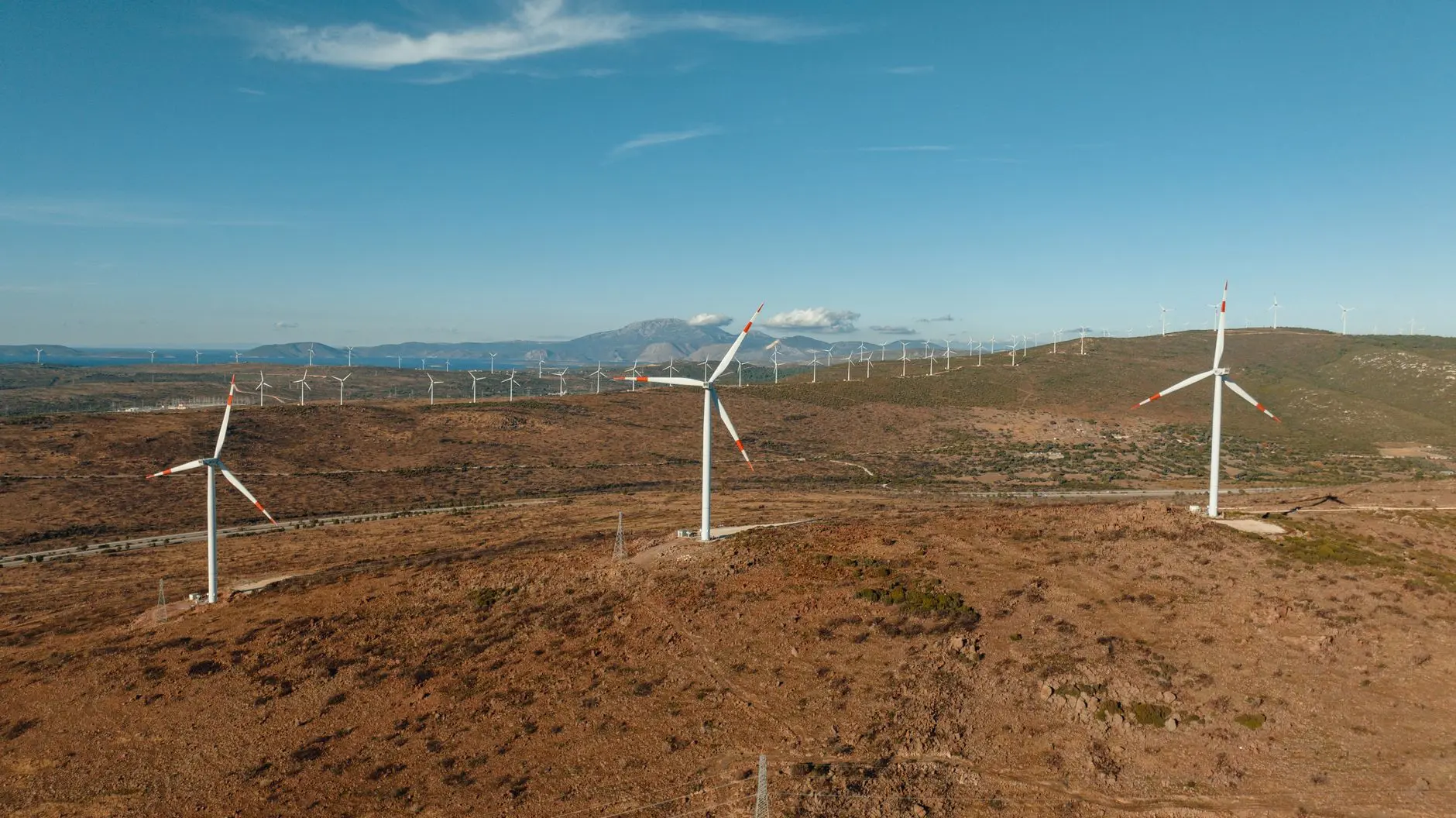
Alongside its digital goals, Türkiye is planning significant long-term shifts in its power architecture. Quantum Commodity Intelligence reported that Türkiye has flagged green hydrogen as a primary driver of domestic electricity demand by 2040. Achieving these hydrogen targets will require substantial scaling of renewable energy capacity, grid infrastructure, and specialized electrolysis plant infrastructure over the coming two decades. This focus aligns with global decarbonization trends, especially as European export markets enforce stricter carbon compliance rules on imported industrial goods.
Guide:Turkey Priority Investment Incentives 2026 Explained
Concurrently, Turkish manufacturers are solidifying commercial integration across Central Asia and the wider Mediterranean basin. Dunyo reported that Uzbekistan and Türkiye are actively expanding bilateral cooperation across the textile, garment, and leather-footwear industries. This cross-border collaboration allows both nations to optimize raw material supply chains, leverage shared technical expertise, and scale export capacity to Europe and North America.
Furthermore, broader regional investor interest was highlighted during the Istanbul Economic Forum. As reported by the Egyptian Ministry of Finance, Egypt's Finance Minister met with Turkish investors on the sidelines of the event, emphasizing that overall economic activity is improving and pointing to strong performance across Türkiye's industrial and productive sectors over the past year.
What it means for foreign buyers, importers and investors
For international corporations sourcing from Türkiye, these structural initiatives signify a maturing supplier base. The expansion of regional supply links—such as the textile and leather partnership with Uzbekistan—provides foreign apparel and footwear brands with integrated, resilient sourcing networks. Importers gain access to raw material depth combined with Turkish design, finished product craftsmanship, and rapid transport links to major consumer markets.
For foreign investors and corporate planners, Türkiye's dual focus on digital infrastructure and clean energy creates clear entry points. Capital expenditures in green hydrogen production, renewable generation, and $10 billion worth of AI facilities signal strong regulatory support for capital projects that enhance sustainability and digital efficiency. Multinational buyers looking to meet ESG compliance targets will benefit from sourcing products manufactured in facilities powered by low-carbon energy and supported by advanced tech systems.
Key Sectors Driving Türkiye’s Long-Term Growth
Artificial Intelligence and Technology Infrastructure
The $10 billion infrastructure target highlights a structural effort to move beyond basic digital adoption into high-level industrial integration. Capital allocated to AI processing facilities, telecom upgrades, and tech incubators ensures that local enterprises can adopt sophisticated digital tools rapidly.
Green Hydrogen and Clean Energy Transformation
Projecting green hydrogen as a key driver of electricity demand by 2040 highlights the long-term nature of Türkiye's energy roadmap. Developers, equipment vendors, and utility investors are presented with a long runway of opportunities in renewable energy generation, water treatment systems, and industrial hydrogen integration.
Textiles, Garments, and Leather Manufacturing
By formalizing industrial cooperation with Uzbekistan, Türkiye reinforces its legacy strengths in light manufacturing. Joint operations and shared supply arrangements enable apparel and leather manufacturers to streamline production costs while expanding export volumes to Western markets.
Outlook for Turkish Industrial Investment
Looking ahead, Türkiye’s ongoing efforts to balance tech modernization, energy transition, and cross-border commercial alliances will shape its economic trajectory. The path toward 2040 for green hydrogen adoption and the execution of a $10 billion AI investment roadmap indicate that state bodies and private enterprise are aligning behind long-term industrial policies.
As cross-border trade discussions continue across regional platforms like the Istanbul Economic Forum, international business leaders operating in or trading with Türkiye can expect increased institutional emphasis on high-value manufacturing, clean power generation, and regional supply chain integration.
Sources
- Türkiye targets $10 bln in AI infrastructure investment — Hürriyet Daily News
- Finance Minister Meets Turkish Investors on Sidelines of Istanbul Economic Forum: Economic Activity Improving, with Strong Performance in Industrial and Productive Sectors Last Year — mof.gov.eg
- Turkey flags green hydrogen as driver of electricity demand by 2040 — Quantum Commodity Intelligence
- Uzbekistan and Türkiye expand cooperation in the Textile, Garment and Leather-Footwear Industries — Dunyo
Frequently asked questions
What is Türkiye's investment target for artificial intelligence infrastructure?
Türkiye is targeting $10 billion in artificial intelligence infrastructure investment to build data resources, computing power, and technological ecosystem capacity, according to Hürriyet Daily News.
How does green hydrogen impact Türkiye's future energy planning?
According to Quantum Commodity Intelligence, green hydrogen has been identified by Turkish energy authorities as a primary driver of national electricity demand growth by 2040.
How are Türkiye and Uzbekistan expanding industrial trade?
Dunyo reported that Uzbekistan and Türkiye are expanding bilateral industrial cooperation specifically across the textile, garment, and leather-footwear sectors to build stronger supply chains.
What was noted regarding Turkish industry at the Istanbul Economic Forum?
As reported by the Egyptian Ministry of Finance, meetings on the sidelines of the Istanbul Economic Forum highlighted improving economic activity and strong performance in Türkiye's industrial and productive sectors.
How do these developments create turkey investment opportunities for foreign firms?
Foreign enterprises can find opportunities in green energy development, technology infrastructure projects, and integrated textile supply chains, benefiting from Türkiye's modernizing industrial base.
More on this topic: Turkey Investment Incentives: Regions, Free Zones and Support