Turkey Green Energy Investment Rises Amid COP31 Climate Summit
Global business leaders, major financial institutions, and sovereign partners assemble in Türkiye for COP31 to advance bilateral energy partnerships, AI infrastructure, and industrial solar projects.
Global political leaders, international financial institutions, and corporate executives are assembling in Türkiye for the UN COP31 climate summit following a year marked by global extreme weather events. The international summit has turned the spotlight on Turkey energy investment, highlighting the nation's strategic position in global energy transition, renewable manufacturing, and cross-border clean technology partnerships.
Key takeaways
- Bilateral Energy Expansion: International partners including Japan and Kazakhstan are executing significant bilateral energy agreements during COP31 in Türkiye.
- Corporate Decarbonization: Major domestic industrial powerhouses such as defense giant Aselsan are transitioning entirely to solar power for operational energy needs.
- Tech & Finance Integration: Global financial institutions and intelligence providers like S&P Global are focusing heavily on artificial intelligence applications within climate finance and energy systems.
International Partnerships Expand Turkey Energy Investment
As host of the COP31 climate conference, Türkiye is hosting international delegations seeking to accelerate energy transitions and secure resilient clean tech supply chains. According to reports from Anadolu Agency, Japan considers the summit a pivotal opportunity to deepen energy cooperation with Türkiye, leveraging combined technical expertise and capital to advance renewable infrastructure.
Simultaneously, Central Asian strategic partners are deepening institutional ties. The Astana Times reported that Kazakhstan is set to sign 28 cooperation documents during COP31 in Türkiye. These bilateral frameworks span clean energy project development, cross-border trade mechanisms, and technical exchange, reinforcing Türkiye's role as a regional energy and logistical hub connecting Europe, Asia, and the Middle East.
Global market intelligence and rating providers are also taking active roles. S&P Global's presence at COP31 in Türkiye underscores the growing international emphasis on ESG metrics, energy transition benchmarks, and sustainable project financing in emerging industrial markets.
Industrial Decarbonization and AI Integration in Türkiye
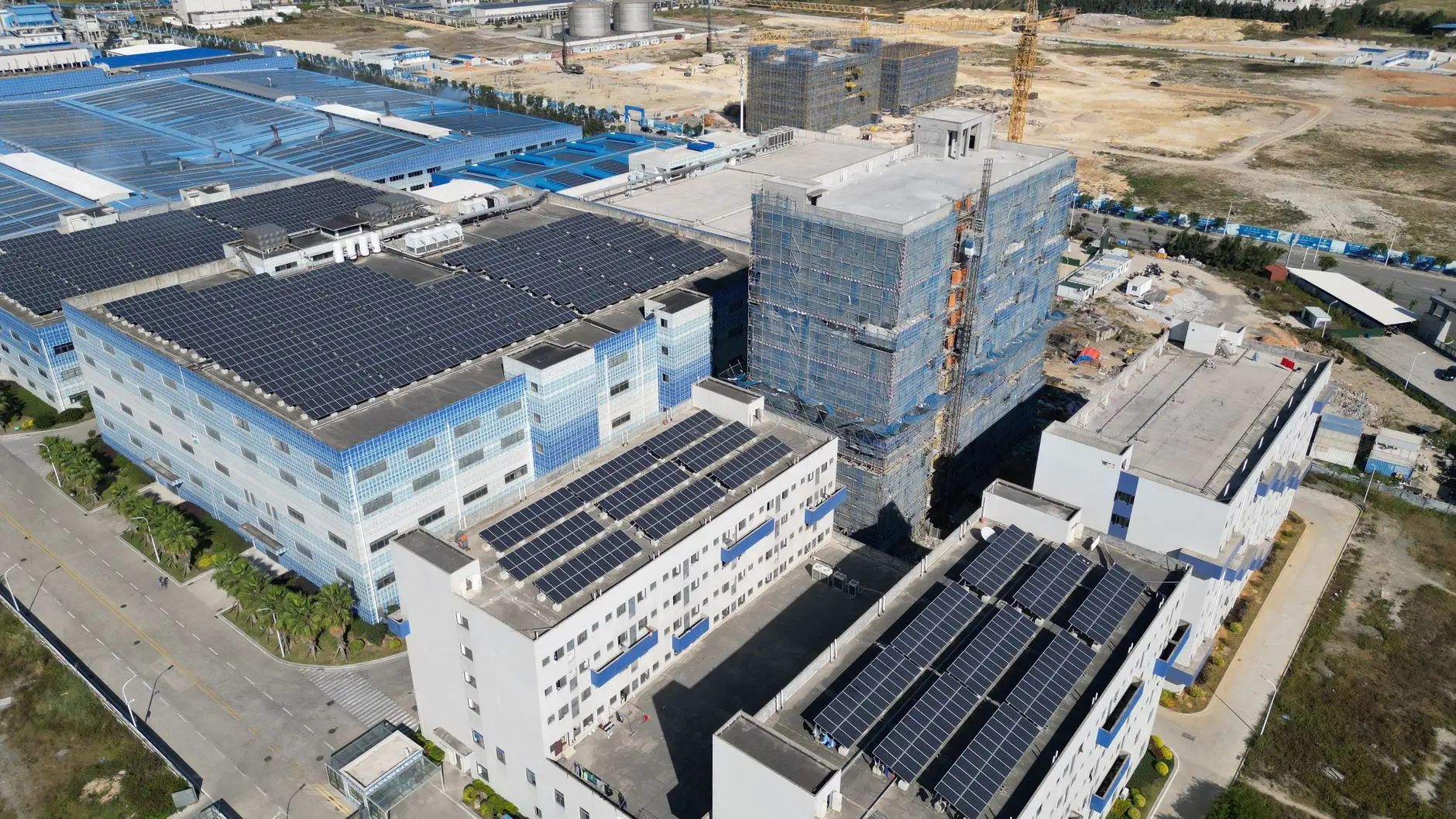
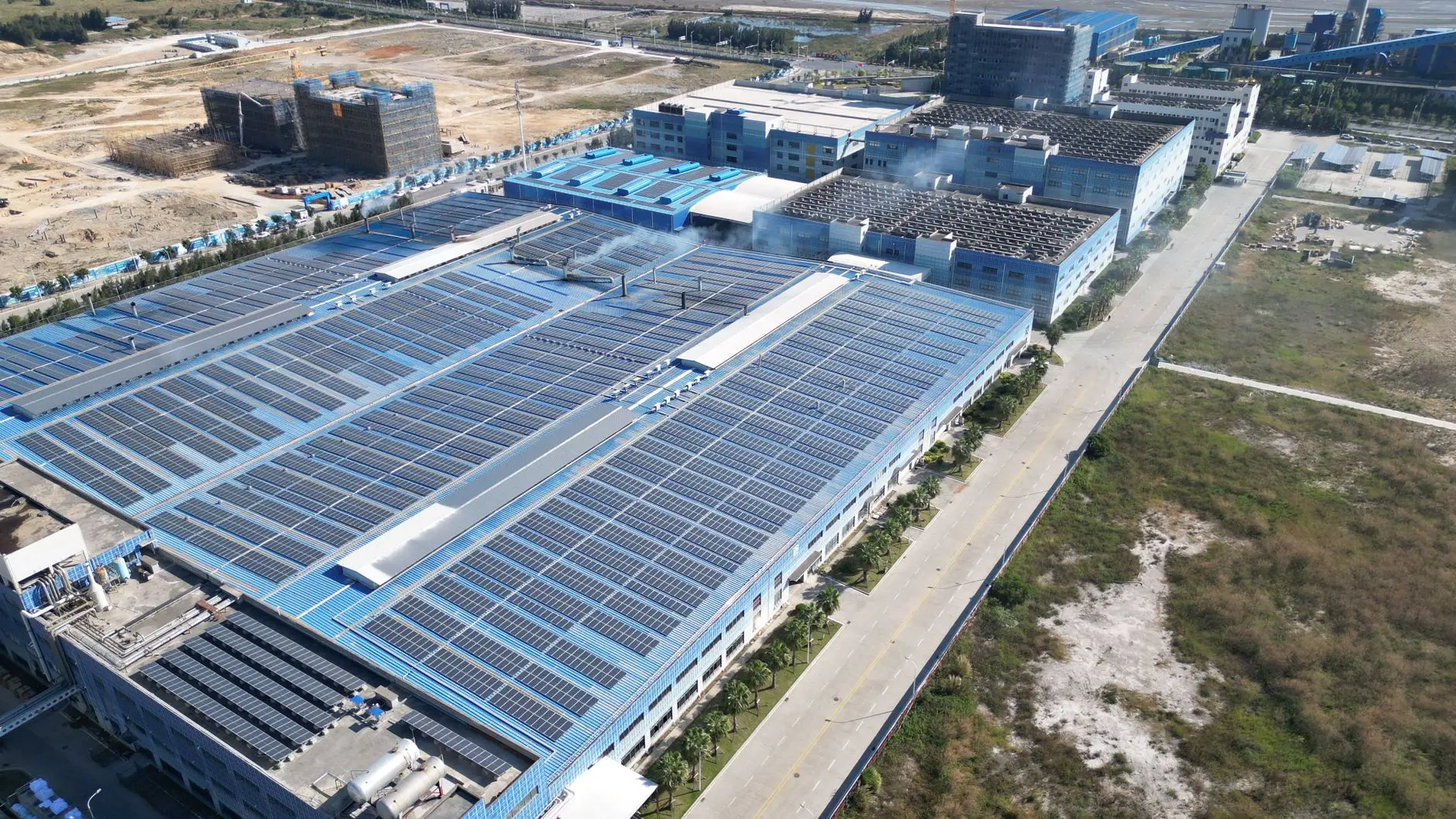
Alongside government-level agreements, Turkish industrial heavyweights are accelerating independent corporate energy transitions. Daily Sabah reported that Türkiye's defense giant Aselsan is turning to solar power to cover all of its operational energy needs. Aselsan's shift to 100% solar energy illustrates how major Turkish manufacturing enterprises are safeguarding against volatile grid electricity costs while addressing international supply chain sustainability requirements.
The financial sector is simultaneously addressing the intersection of technology and sustainability. Energy Connects reported that bankers and climate financiers are preparing for artificial intelligence to feature in virtually every conversation at the climate summit in Türkiye. AI tools are increasingly deployed for predictive energy grid management, optimizing renewable asset yield, and verifying corporate carbon reporting standards.
The convergence of large-scale solar adoption by industrial leaders and advanced tech-driven energy management creates direct opportunities for foreign technology providers, equipment vendors, and project developers looking at Turkey energy investment opportunities.
What it means for foreign buyers, importers and investors
For international corporations sourcing manufactured goods, automotive components, electronics, or textiles from Türkiye, the rapid adoption of renewable energy by major domestic producers like Aselsan carries direct strategic benefits. As global market standards and EU regulations increasingly mandate low-carbon supply chains, Turkish suppliers utilizing direct solar energy help foreign buyers meet strict Scope 3 emission targets without changing their sourcing origins.
Foreign institutional investors and clean tech providers gain a expanding footprint for cross-border projects. With strategic interest expressed by nations like Japan and commercial agreements coming from Kazakhstan, international joint ventures in solar manufacturing, grid infrastructure, and AI-driven energy optimization face a favorable operational climate. Türkiye's established manufacturing base combined with proactive corporate energy strategies reduces operational execution risk for foreign green tech firms.
Additionally, importers and foreign firms operating in Türkiye can anticipate clearer ESG transparency and risk pricing. As global rating bodies like S&P Global monitor the region's climate commitments, Turkish enterprises adopting solar power and energy efficiency tools will offer higher regulatory transparency, easing compliance for international partner audits.
Key Drivers Shaping Türkiye's Green Energy Transition
Corporate Solar Self-Generation
Major manufacturers across defense, automotive, and heavy industry are installing dedicated solar arrays to achieve complete energy self-sufficiency, insulating operations from fossil fuel price volatility and supporting green export certifications.
Bilateral Climate and Energy Deals
Government-to-government agreements signed alongside COP31 provide clear regulatory pathways and institutional support for cross-border clean technology transfer and joint infrastructure funding.
AI-Powered Energy Infrastructure
The Integration of artificial intelligence into climate finance and grid distribution is opening specialized niches for international software, sensor, and automation vendors entering the Turkish market.
Outlook for Renewable Integration and Trade
As COP31 discussions progress, the momentum around Turkey energy investment is expected to translate into long-term commercial commitments. The combination of corporate decarbonization initiatives by firms like Aselsan and institutional energy collaboration with trade partners such as Japan and Kazakhstan reinforces Türkiye's positioning in green technology.
Foreign businesses evaluating sourcing opportunities or direct industrial investments in Türkiye stand to benefit from a rapidly greening manufacturing grid and enhanced bilateral trade frameworks aimed at sustainable economic expansion.
Sources
- Bankers Prepare for AI ‘in Every Conversation’ at Climate Summit in Turkey — Energy Connects
- Türkiye's defense giant Aselsan turns to solar to meet all energy needs | Daily Sabah — Daily Sabah
- Leaders gather in Turkey for UN climate summit after a disastrous year of extreme weather — FOX 5 San Diego & KUSI News
- S&P Global at COP31 Türkiye — S&P Global
- Kazakhstan to Sign 28 Cooperation Documents at COP31 in Türkiye — The Astana Times
- Japan sees COP31 as opportunity to deepen energy cooperation with Türkiye, ambassador says — Anadolu Ajansı
Frequently asked questions
Why is COP31 significant for Turkey energy investment?
COP31 brings together international sovereign partners, financial institutions, and technology providers in Türkiye, creating structured pathways for bilateral energy deals, cross-border investments, and institutional climate funding.
How are Turkish manufacturing giants adopting renewable energy?
Leading industrial enterprises, such as defense manufacturer Aselsan, are transitioning to 100% solar power self-generation to meet operational energy needs, reduce operational costs, and align with global ESG standards.
What role does artificial intelligence play in Türkiye's energy transition?
AI technology is being integrated into climate summit discussions and energy operations to optimize renewable power generation, improve grid efficiency, and streamline corporate carbon reporting for international compliance.
How do international partners like Japan and Kazakhstan cooperate with Türkiye in energy?
Japan is leveraging COP31 to deepen bilateral energy technology cooperation with Türkiye, while Kazakhstan is executing 28 cooperation agreements spanning energy, trade, and regional infrastructure development.
How does corporate solar adoption in Türkiye benefit foreign buyers?
Foreign companies importing products from Turkish manufacturers gain supply chain sustainability benefits, lower embedded carbon footprints, and improved compliance with international regulations such as the EU's carbon border rules.